
BEST SELECTION
300+ teas & blends
FREE SHIPPING
on US/CA orders $55+


Tea Ingredients A–Z
Every Tealyra blend is made from real, whole ingredients. Here you can see what each one looks like, what it brings to the cup, and which of our teas contain it.
| Ingredient | Image | Description | Teas |
|---|---|---|---|
| Almond | 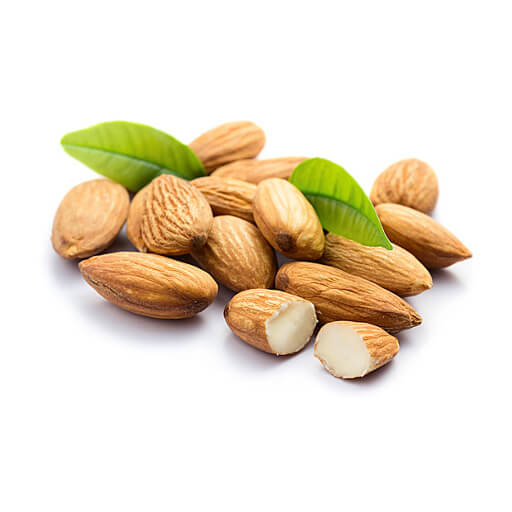 |
Almonds are the seeds of the almond tree, a crop long grown around the Mediterranean and today widely in California. In tea blends, sliced or chopped almond pieces give a soft, nutty sweetness with a gentle marzipan aroma that rounds out the cup. They pair beautifully with black tea, rooibos and honeybush, and work especially well alongside cherry, vanilla, cinnamon and chocolate. Try an almond blend with a splash of milk for a cozy, pastry-like cup. | Shop teas with Almond → |
| Aloe Vera | 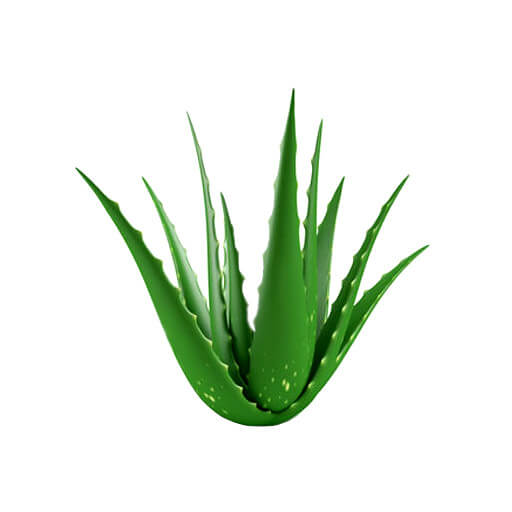 |
Aloe vera is a succulent plant with thick, fleshy leaves, thought to have originated on the Arabian Peninsula and now grown in warm climates around the world. In tea blends, small candied aloe vera cubes add a mild, fresh, slightly juicy note and a pleasant chewy texture. They are a natural fit for green tea, white tea and fruit blends, especially with melon, cucumber, lime and tropical fruits. Aloe blends shine when served iced on a hot summer day. | Shop teas with Aloe Vera → |
| Aniseed | 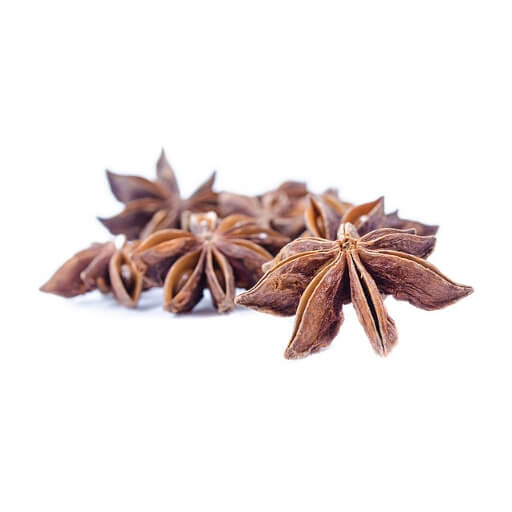 |
Aniseed is the small, ridged seed of the anise plant, a member of the parsley family native to the eastern Mediterranean. It has a sweet, warm, unmistakably licorice-like aroma with a lingering, slightly spicy finish. In tea it brings depth to spiced black tea and chai, and blends well with fennel, cinnamon, cardamom, clove and licorice root in herbal mixes. A little goes a long way, so aniseed is usually added in small amounts to keep the cup balanced. | Shop teas with Aniseed → |
| Apple | 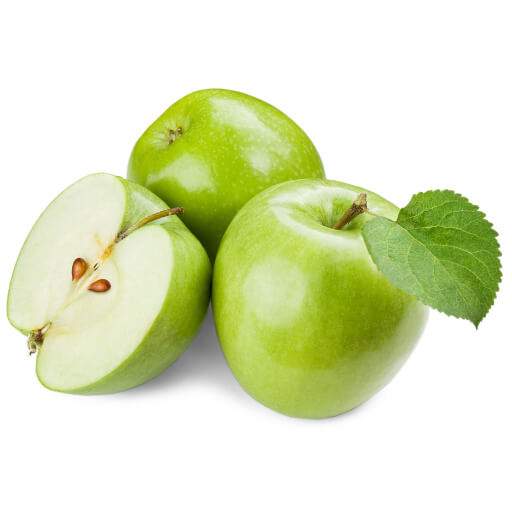 |
Apples have been grown across Europe and Central Asia for thousands of years, and dried apple pieces are the backbone of countless fruit tea blends. They brew a naturally sweet, mellow cup with a gentle orchard aroma and give the infusion a fuller body. Apple pairs with almost anything: cinnamon, ginger, berries, citrus, hibiscus, rooibos and black tea. Because the pieces hold their flavor well, apple blends are lovely both piping hot in winter and poured over ice in summer. | Shop teas with Apple → |
| Apricot | 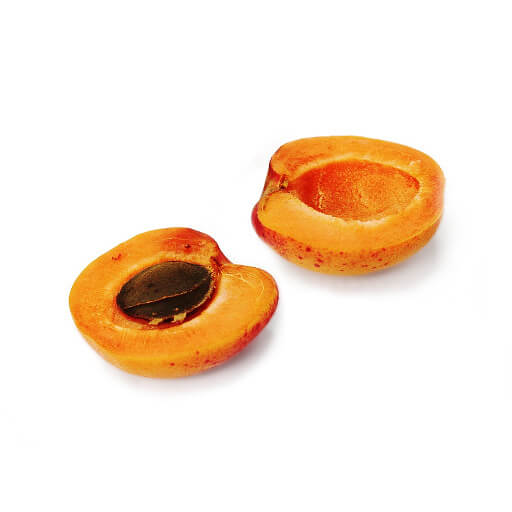 |
Apricots are stone fruits believed to have come from Central Asia and China, later spreading along trade routes to the Middle East and the Mediterranean. Dried apricot pieces add a sunny, honeyed sweetness with a soft, velvety stone-fruit aroma and a light tangy edge. They are a classic match for green tea, white tea, oolong and fruit blends, and they also pair nicely with peach, mango, vanilla and almond. Apricot blends make a refreshing, fragrant iced tea. | Shop teas with Apricot → |
| Bamboo Leaves |  |
Bamboo leaves come from the fast-growing bamboo plant, which is native to East and Southeast Asia and woven deeply into the culture of China and Japan. Dried and cut for tea, they brew a light, clean cup with a gently grassy, slightly sweet aroma reminiscent of fresh green tea. Bamboo leaves blend well with green and white tea, lemongrass, mint, jasmine and light fruits such as pear or melon. Use water just off the boil and enjoy them hot or iced. | Shop teas with Bamboo Leaves → |
| Banana | 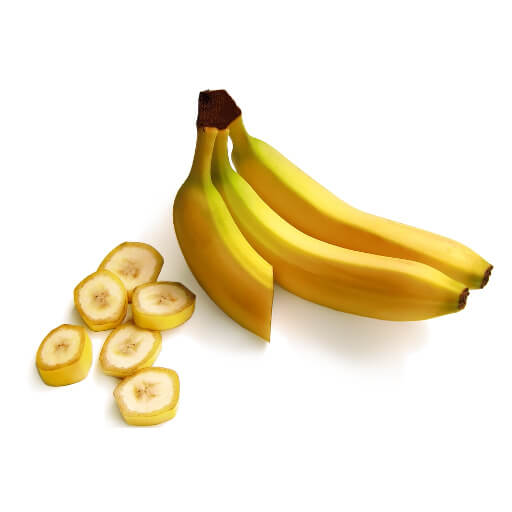 |
Bananas are tropical fruits first cultivated in Southeast Asia and New Guinea and now grown throughout the warm regions of the world. In tea blends, dried banana chips add a creamy, mellow, tropical sweetness with a hint of caramel when infused. They are especially lovely in dessert-style blends with rooibos or black tea, and pair well with chocolate, coconut, cinnamon, vanilla and nuts. A banana blend with a splash of milk tastes a little like banana bread in a cup. | Shop teas with Banana → |
| Basil | 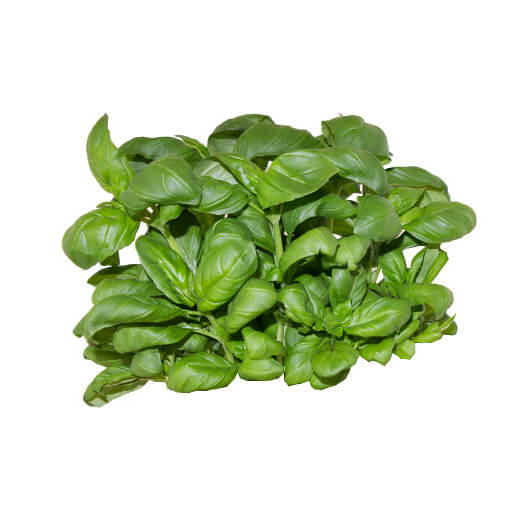 |
Basil is a fragrant leafy herb from the mint family, native to tropical Asia and beloved in Italian, Thai and Indian cooking. In the cup, dried basil leaves give a sweet, peppery aroma with hints of clove and mint and a fresh, slightly savory finish. Basil adds an unexpected twist to herbal blends and fruit teas, pairing well with lemon, lemongrass, strawberry, peach, mint and green tea. Try a basil and citrus blend iced for a bright, garden-fresh summer drink. | Shop teas with Basil → |
| Beetroot | 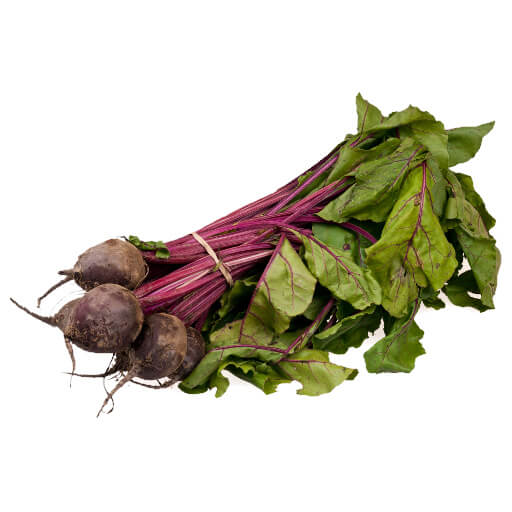 |
Beetroot is the deep red root of the beet plant, grown across Europe and North America and a staple of Eastern European kitchens. Dried beetroot pieces give an earthy, gently sweet flavor and turn the infusion a vivid ruby or magenta color. They are used in herbal and fruit blends to deepen color and add body, pairing well with hibiscus, berries, apple, ginger and cinnamon. Beetroot powder is also popular in colorful lattes whisked with warm milk. | Shop teas with Beetroot → |
| Bergamot oil | 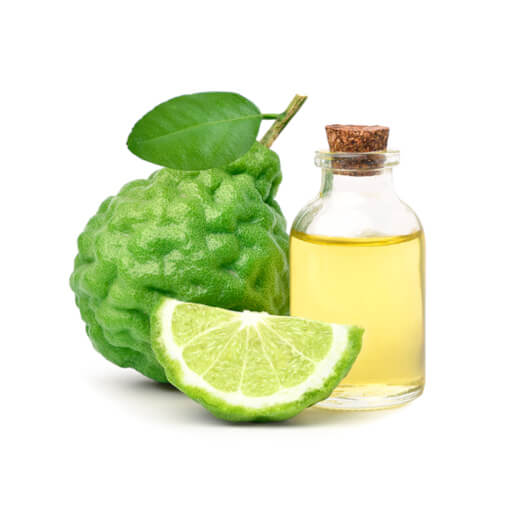 |
Bergamot oil is pressed from the peel of the bergamot orange, a small fragrant citrus grown mainly along the coast of Calabria in southern Italy. It has a bright, floral, slightly bitter citrus aroma that is more perfumed than lemon or orange. Bergamot oil is famous as the signature scent of Earl Grey and Lady Grey, and it also flavors green tea, rooibos and some herbal blends. Earl Grey is delicious with milk, or try it as a London Fog with steamed milk and vanilla. | Shop teas with Bergamot oil → |
| Blackberry | 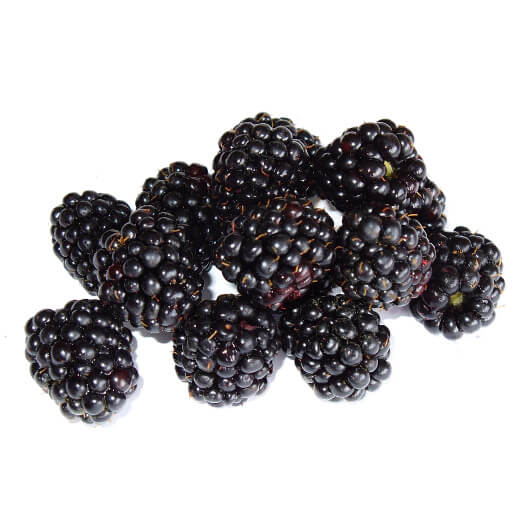 |
Blackberries are juicy brambles that grow wild across Europe and North America and have been gathered from hedgerows for generations. Dried blackberries add a deep, jammy berry flavor with a pleasant tartness and a rich purple tint to the cup. They pair well with black tea, green tea, hibiscus, apple and other berries, and they bring a summery note to herbal and fruit blends. Blackberry blends make an excellent iced tea, lightly sweetened with honey if you like. | Shop teas with Blackberry → |
| Blackberry leaves | 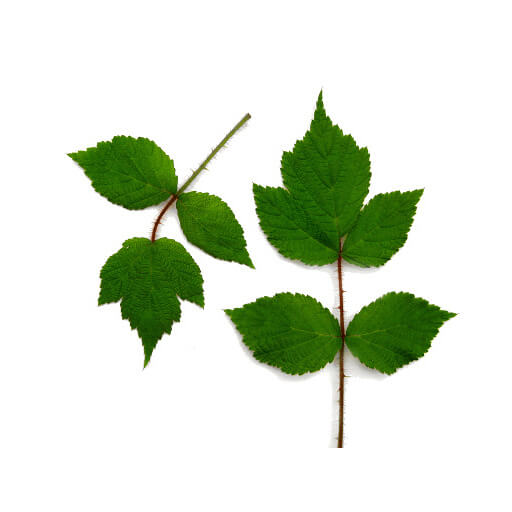 |
Blackberry leaves come from the same bramble bush that gives us blackberries, a plant that grows wild throughout Europe and North America. Dried and cut, they brew a mild, smooth, slightly earthy cup with a light, tea-like dryness and none of the fruit's sweetness. In Germany and Central Europe they are a classic base for herbal and fruit blends, pairing well with raspberry leaves, strawberry leaves, apple, rosehip and mint. Blackberry leaves are naturally caffeine-free. | Shop teas with Blackberry leaves → |
| Blackcurrant | 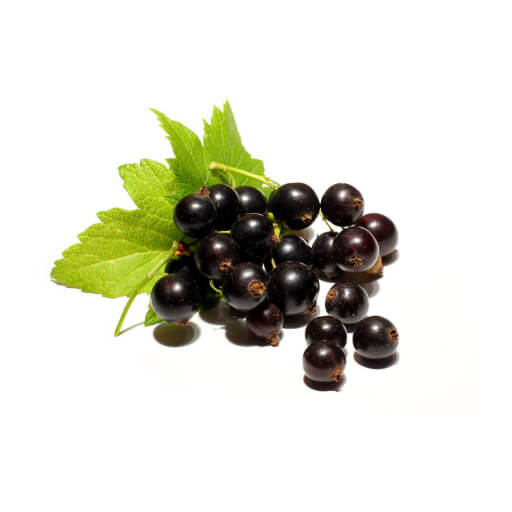 |
Blackcurrants are small, dark berries grown widely in Northern and Eastern Europe and especially loved in Britain. They bring an intense, tangy, almost wine-like berry flavor and a rich purple color to the cup. Blackcurrant is a natural match for black tea, where it adds a fruity depth, and it also shines in fruit blends with hibiscus, apple, elderberry and other berries. Blackcurrant tea is wonderful hot on a cold day and equally refreshing over ice. | Shop teas with Blackcurrant → |
| Blueberry | 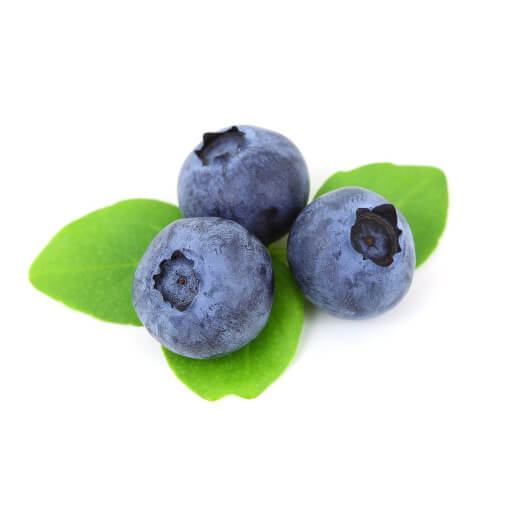 |
Blueberries are native to North America, where Indigenous peoples gathered wild berries long before they were cultivated. Dried blueberries add a gentle, sweet berry flavor with a soft, slightly floral aroma and a lovely deep blue tint. They blend well with green, white and black tea, as well as fruit blends with hibiscus, apple, lemon and other berries. Blueberry blends are a favorite for iced tea and can be lightly sweetened to bring out the fruit. | Shop teas with Blueberry → |
| Buckthorn | 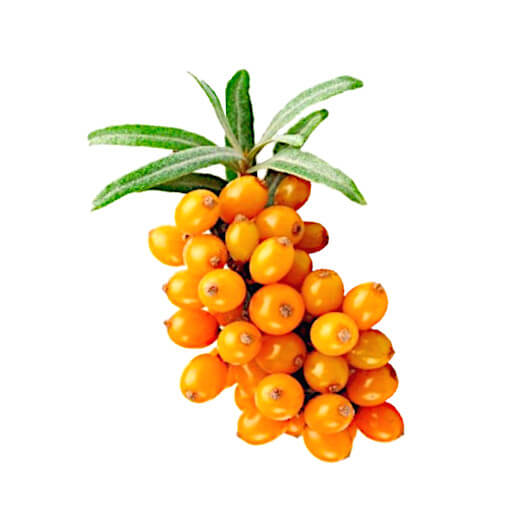 |
Sea buckthorn is a thorny shrub that grows along coasts and mountain slopes across Europe and Asia, from the Baltic to the Himalayas. Its bright orange berries have a tangy, tropical flavor reminiscent of passion fruit, pineapple and citrus, with a pleasantly sour edge. In tea blends it adds zing and a warm golden color to fruit teas, green tea and rooibos, and pairs well with orange, ginger, apple and honey. Sea buckthorn is especially popular in Russia and Northern Europe. | Shop teas with Buckthorn → |
| Burdock | 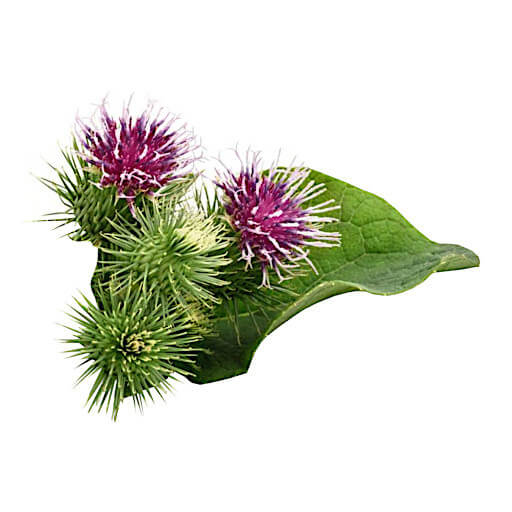 |
Burdock is a hardy plant native to Europe and Northern Asia, and its long taproot is eaten as a vegetable in Japan, where it is called gobo. Dried and cut, burdock root brews a mild, earthy, gently sweet cup with a faint nutty, root-vegetable character. It pairs well with other roots and spices such as dandelion, chicory, ginger and licorice, and adds depth to herbal blends. Burdock is naturally caffeine-free and can be enjoyed on its own or blended. | Shop teas with Burdock → |
| Calendula |  |
Calendula, also known as pot marigold, is a cheerful flowering plant native to southern Europe and long grown in cottage gardens. Its dried golden-orange petals add a soft, slightly peppery, faintly floral note and bright flecks of color to the leaf. Calendula is mostly used to make blends look beautiful, pairing well with green tea, rooibos, chamomile, citrus peel and fruit blends. Its sunny petals make any loose-leaf blend look lively in the tin and in the infuser. | Shop teas with Calendula → |
| Caramel | 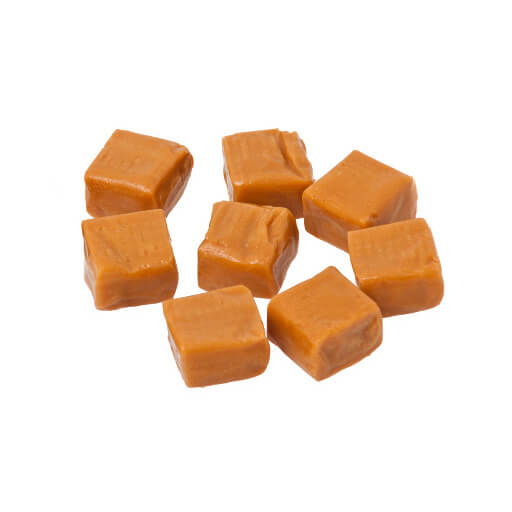 |
Caramel is made by slowly cooking sugar until it turns golden and develops its rich flavor, a technique perfected by European confectioners. Small caramel pieces melt into the cup to add a buttery, toasty sweetness with notes of brown sugar and toffee. They turn black tea, rooibos and honeybush into a cozy dessert-style cup, and pair well with vanilla, chocolate, almond, apple and cinnamon. Caramel blends are delicious with a splash of milk or cream. | Shop teas with Caramel → |
| Cardamom | 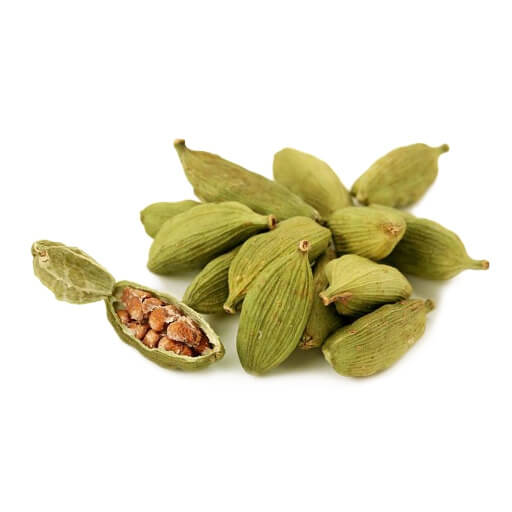 |
Cardamom comes from the seed pods of a plant in the ginger family, native to the forests of southern India and Sri Lanka and also grown in Guatemala. It has an intensely aromatic, warm, resinous fragrance with hints of citrus, eucalyptus and sweet spice. Cardamom is an essential ingredient in Indian masala chai, where it pairs with black tea, cinnamon, ginger, clove and black pepper. It also lifts rooibos and green tea blends, and loves a splash of milk. | Shop teas with Cardamom → |
| Carrot | 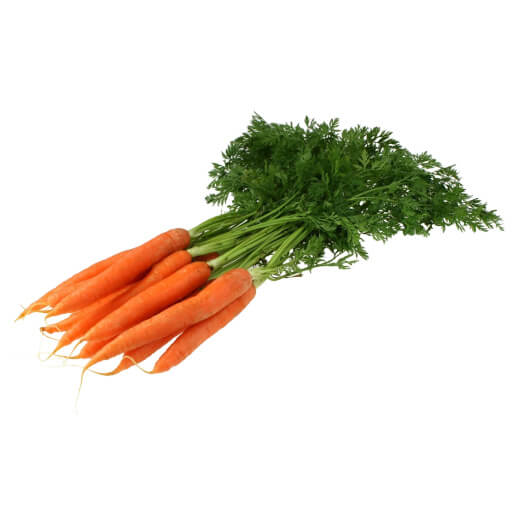 |
Carrots are root vegetables first cultivated in Central Asia and now grown all over the world in many colors, from orange to purple. Dried carrot pieces add a mild, natural sweetness, a slightly earthy note and a warm orange color to the cup. They work well in fruit and herbal blends with apple, orange, ginger, beetroot and rooibos, adding body without overpowering other flavors. Carrot blends also make a playful, garden-inspired iced tea for warm afternoons. | Shop teas with Carrot → |
| Chamomile | 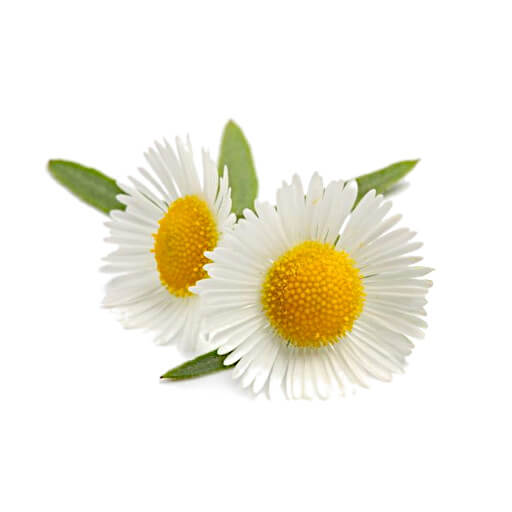 |
Chamomile is a small daisy-like flower native to Europe and Western Asia, prized for centuries in Egypt, Greece and Rome. The dried flower heads brew a mellow, golden cup with a sweet, honey-like, apple-tinged floral aroma. Chamomile is lovely on its own and blends beautifully with lavender, mint, lemon balm, rose, rooibos and vanilla. It is naturally caffeine-free, which makes it a long-standing favorite for an evening cup, especially with a touch of honey. | Shop teas with Chamomile → |
| Cherry | 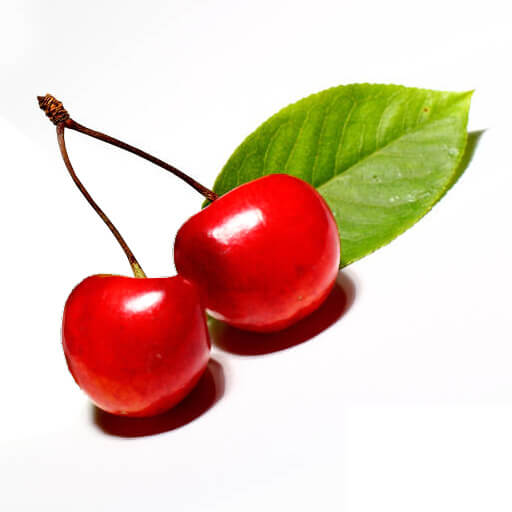 |
Cherries have been grown around the Black Sea and the Mediterranean since ancient times and are now a beloved summer fruit worldwide. Dried cherry pieces add a juicy, sweet-tart flavor and a rich red color to the cup, with a hint of almond-like depth. They pair beautifully with black tea, green tea and rooibos, and with almond, vanilla, chocolate, hibiscus and other berries. Cherry blends are delicious served hot or poured over ice as a fruity summer tea. | Shop teas with Cherry → |
| Chicory | 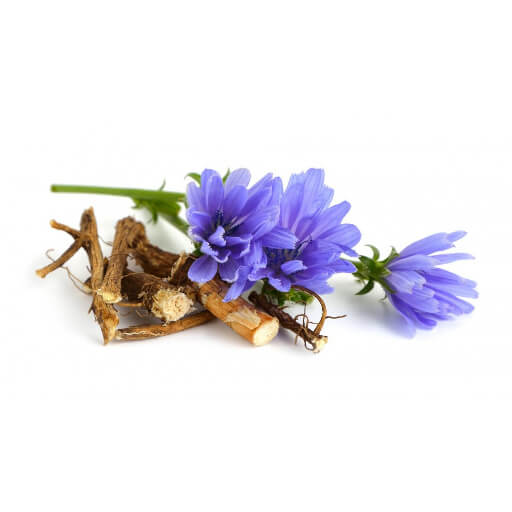 |
Chicory is a hardy plant with bright blue flowers native to Europe, and its root has been roasted as a coffee substitute in France and New Orleans for centuries. Roasted chicory root brews a dark, toasty, slightly bitter cup with notes of caramel and coffee. It blends well with dandelion root, carob, cinnamon, chocolate and vanilla in herbal coffee-style blends. Chicory is naturally caffeine-free, and it is especially good with milk and a little sweetener. | Shop teas with Chicory → |
| Chocolate | 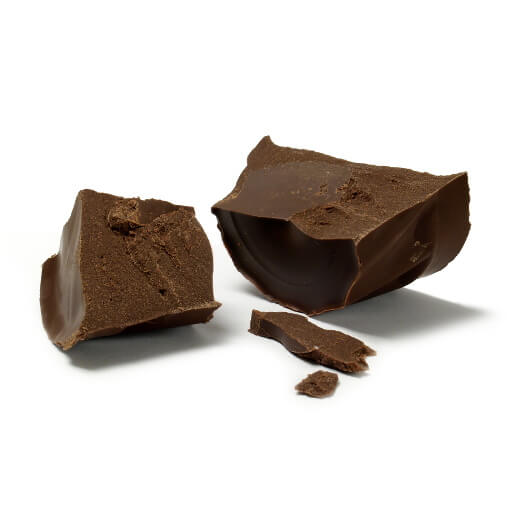 |
Chocolate is made from roasted cacao beans, a crop native to Central and South America where the Maya and Aztecs prized it as a drink. In tea blends, chocolate pieces and cocoa nibs add a rich, sweet cocoa flavor that melts into the cup with a smooth, slightly roasted finish. Chocolate pairs well with black tea, rooibos and pu-erh, along with mint, orange, cherry, coconut and vanilla. Add a splash of milk for a dessert-like cup. | Shop teas with Chocolate → |
| Chrysanthemum | 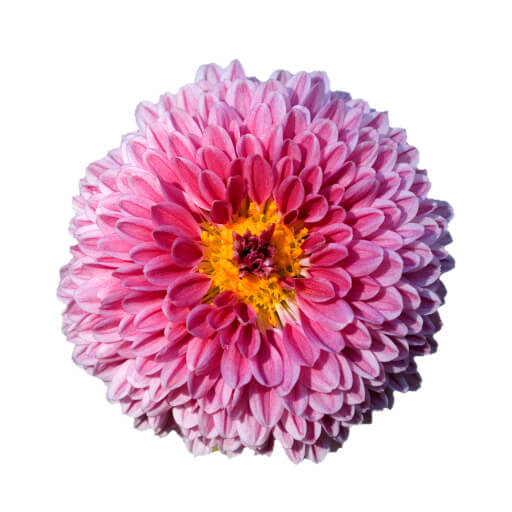 |
Chrysanthemum flowers have been cultivated in China for more than two thousand years and are one of the most popular flower teas in East Asia. The dried blossoms brew a delicate, clear golden cup with a light floral, slightly sweet and herbaceous aroma. Chrysanthemum is often enjoyed on its own or paired with pu-erh, green tea, goji berries and rock sugar, a classic combination in Chinese tea houses. It is naturally caffeine-free and lovely served hot or chilled. | Shop teas with Chrysanthemum → |
| Cinnamon | 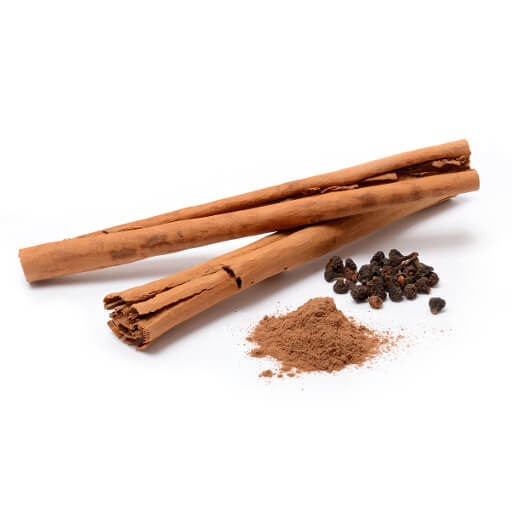 |
Cinnamon is the dried inner bark of evergreen trees native to Sri Lanka and Southeast Asia, rolled into the familiar curled quills. In the cup it gives a sweet, woody warmth with a gentle bite and a rich, bakery-like aroma. It is a natural partner for black tea, rooibos and fruit blends, especially alongside ginger, cardamom, clove and apple. Try a cinnamon blend with a splash of milk on a cold morning, or brew it strong and pour it over ice. | Shop teas with Cinnamon → |
| Clove | 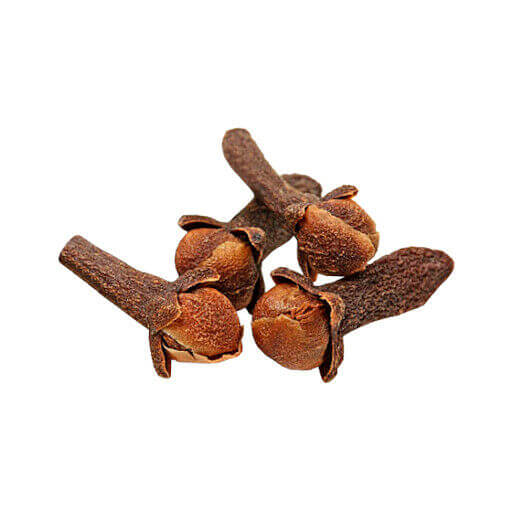 |
Cloves are the dried, unopened flower buds of an evergreen tree originally from the Maluku Islands of Indonesia, once among the most prized spices in the world. They bring an intense, warm, sweet-spicy flavor with a slightly numbing tingle and a deep, festive aroma. A little goes a long way in chai, holiday black teas, rooibos and mulled fruit blends, where clove works beautifully with cinnamon, orange peel and ginger. Blends with clove stand up well to milk and sugar. | Shop teas with Clove → |
| Cocoa | 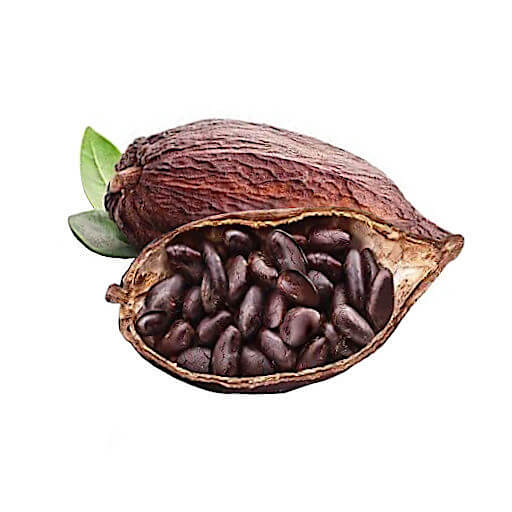 |
Cocoa comes from the roasted seeds of the cacao tree, native to Central and South America and now grown across the tropics. In tea blends it appears as cocoa nibs or shells, adding a deep, toasty, chocolatey aroma with a pleasant dry finish and none of the heavy sweetness of candy. It pairs wonderfully with black tea, pu-erh, rooibos and mate, along with vanilla, mint, orange and coconut. A splash of milk turns a cocoa blend into a cozy dessert cup. | Shop teas with Cocoa → |
| Coconut | 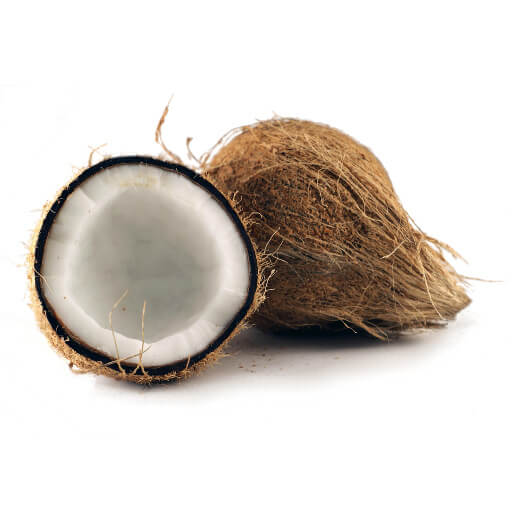 |
Coconut comes from the large fruit of the coconut palm, which grows along tropical coastlines from Southeast Asia to the Caribbean. Dried coconut flakes or chips add a creamy, nutty sweetness and a soft tropical aroma that rounds out the cup. Coconut is a favorite in black tea, green tea, rooibos and pu-erh blends, often teamed with pineapple, vanilla, almond or chocolate. Coconut blends are lovely iced in summer, and they taste rich and dessert-like with a little milk. | Shop teas with Coconut → |
| Coriander | 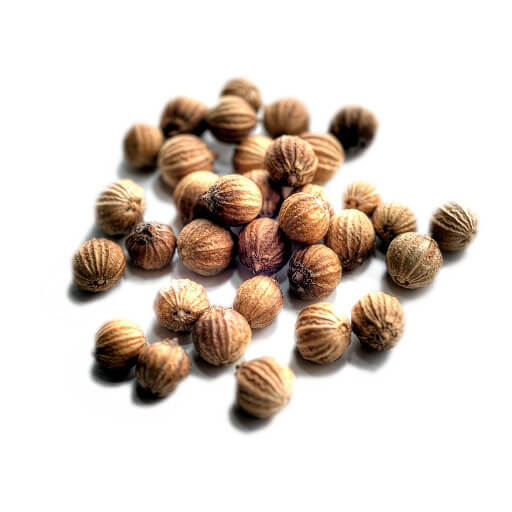 |
Coriander seeds are the dried, round fruits of the same plant whose leaves are known as cilantro, grown since ancient times around the Mediterranean and in India. Unlike the leaves, the seeds taste warm, nutty and gently citrusy, with a light floral note reminiscent of orange peel. In tea, coriander adds lift and brightness to chai, spiced black teas and herbal blends, pairing well with cardamom, ginger, cinnamon and citrus. Lightly crushed seeds release the most aroma when steeped. | Shop teas with Coriander → |
| Cornflower |  |
Cornflower, also called bachelor's button, is a European wildflower that once grew freely in grain fields, which gave it its name. Its petals are prized for their striking blue color rather than a strong taste, offering only a faint, mild, slightly sweet floral note. You will often see cornflower scattered through Earl Grey and Lady Grey style black teas, as well as green tea and herbal blends. It makes any blend look as good in the tin as it tastes in the cup. | Shop teas with Cornflower → |
| Cranberry | 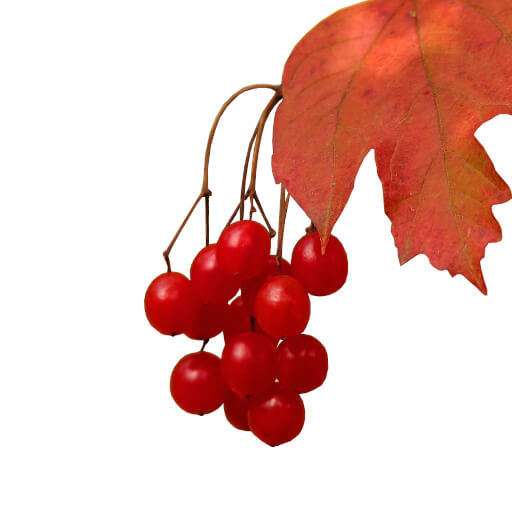 |
Cranberries are small red berries native to North America, traditionally harvested from flooded bogs in places like Massachusetts and Wisconsin. Dried cranberry pieces bring a bright, tart, tangy berry flavor with a gentle sweetness and a festive ruby color in the cup. They shine in fruit blends, herbal blends, rooibos and black tea, pairing nicely with orange, apple, hibiscus, cinnamon and vanilla. A cranberry blend makes a wonderful iced tea, and a hot cup feels right at home on a holiday table. | Shop teas with Cranberry → |
| Cucumber | 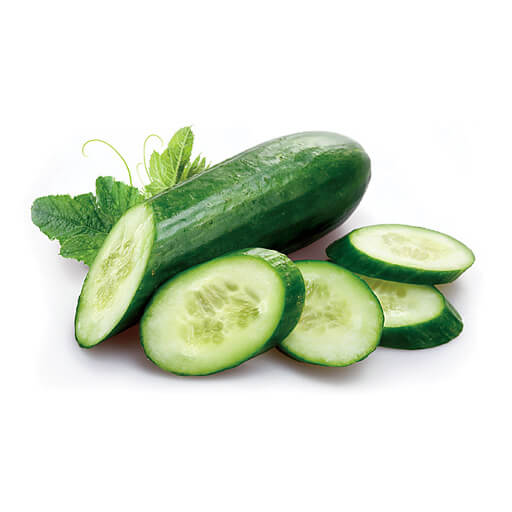 |
Cucumber is the crisp, green fruit of a vine first grown in South Asia and now enjoyed in gardens and kitchens around the world. Dried cucumber pieces give tea a cool, clean, garden-fresh flavor with a subtle green aroma, much like a slice dropped into a glass of water. It works beautifully with green tea, white tea and fruit blends, especially alongside mint, melon, lime and aloe. Cucumber blends are at their best iced on a hot summer afternoon. | Shop teas with Cucumber → |
| Curcuma | 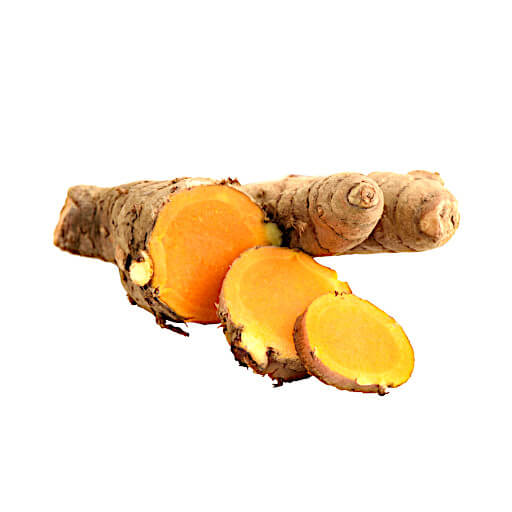 |
Curcuma is the botanical name for turmeric, the bright orange rhizome of a ginger family plant long grown in India and Southeast Asia. In the cup it offers a warm, earthy, slightly peppery flavor with a gentle bitterness and a brilliant golden color. Turmeric is a classic in golden milk blends and chai, and it also pairs well with rooibos, green tea, ginger, cinnamon, black pepper and coconut. For a creamy golden latte, steep it strong and add warm milk and a touch of honey. | Shop teas with Curcuma → |
| Dandelion | 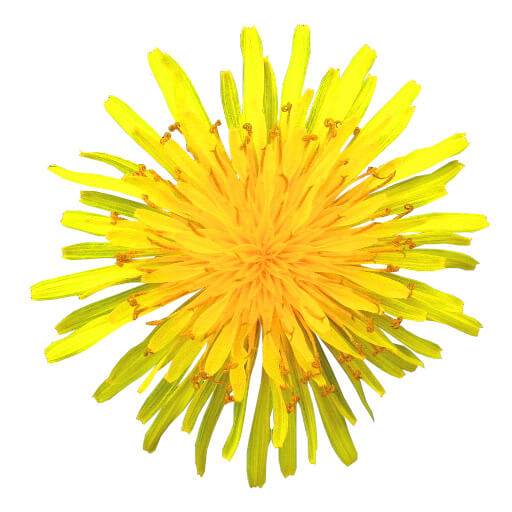 |
Dandelion is the familiar yellow-flowered plant found in meadows and lawns across Europe, Asia and North America. In tea it is usually the root that is used, and when roasted it brews a dark, toasty, earthy cup with a pleasant bitterness that many people compare to coffee. Roasted dandelion pairs well with chicory, cocoa, cinnamon, vanilla and carob in herbal blends, and it also adds depth to rooibos. Try it with a splash of milk as a caffeine-free coffee-style cup. | Shop teas with Dandelion → |
| Dates | 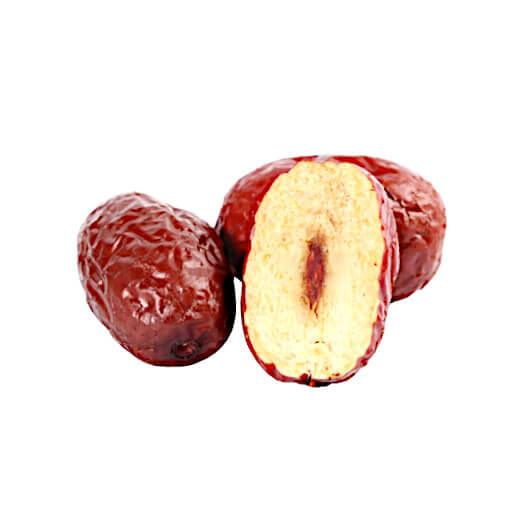 |
Dates are the sweet fruit of the date palm, cultivated for thousands of years in the Middle East and North Africa. Dried date pieces add a rich, caramel-like sweetness with notes of brown sugar and honey, giving the cup a soft, rounded body. They are wonderful in spiced black teas, chai, rooibos and dessert-style herbal blends, pairing especially well with cinnamon, cardamom, almond and cocoa. A date blend with milk tastes like a cozy bakery dessert in a cup. | Shop teas with Dates → |
| Dragon fruit | 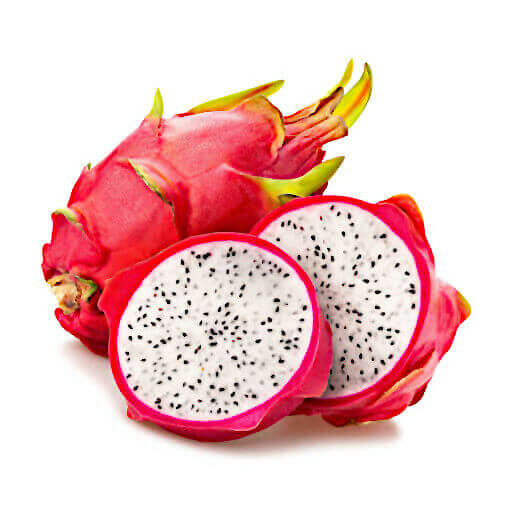 |
Dragon fruit, also called pitaya, is the fruit of a climbing cactus native to Central America and now widely grown in Vietnam and other parts of Southeast Asia. Its striking pink skin and speckled flesh bring a mild, gently sweet flavor somewhere between kiwi and pear, with a light tropical aroma. Dried dragon fruit is a lovely addition to fruit blends, green tea, white tea and rooibos, paired with mango, passion fruit and lime. It makes a vibrant, refreshing iced tea. | Shop teas with Dragon fruit → |
| Drumstick tree | 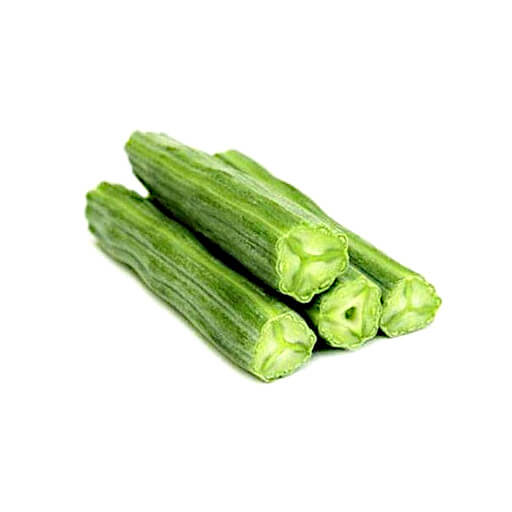 |
The drumstick tree, better known as moringa, is a fast-growing tree native to the foothills of the Himalayas in northern India, named for its long, slender seed pods. Its dried leaves brew a mild, green, grassy cup with a gentle spinach-like taste and a light earthy finish. Moringa blends easily with green tea, lemongrass, mint, ginger and citrus in herbal blends. It is also popular whisked into smoothies and lattes, and it tastes crisp and fresh when served iced. | Shop teas with Drumstick tree → |
| Elderberries | 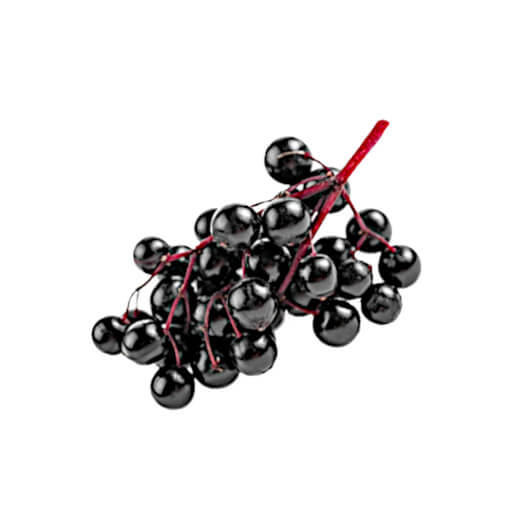 |
Elderberries are the small, dark purple berries of the elder shrub, which grows wild in hedgerows across Europe and North America. Dried elderberries bring a deep, dark-fruit flavor with hints of blackberry and plum, a pleasant tartness and a rich purple color in the cup. They are a natural fit for fruit blends, herbal blends, rooibos and black tea, pairing well with hibiscus, blackcurrant, rosehip, apple and cinnamon. Elderberry blends are delicious hot in winter and refreshing over ice. | Shop teas with Elderberries → |
| Eucalyptus | 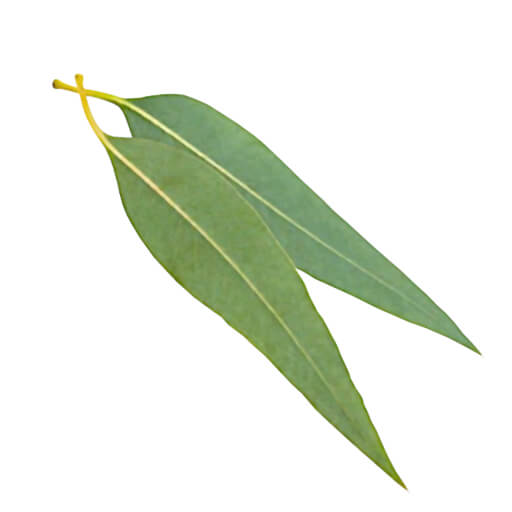 |
Eucalyptus is a tall evergreen tree native to Australia, home to the koala and famous for its aromatic, silvery-green leaves. In tea, the dried leaves add a fresh, cooling, menthol-like aroma with a clean, slightly camphor-like finish. Because its flavor is bold, eucalyptus is used in small amounts in herbal blends, often alongside peppermint, lemongrass, licorice and lemon, and sometimes with green tea. It makes a crisp, invigorating cup on a chilly evening and is pleasant iced as well. | Shop teas with Eucalyptus → |
| Fennel | 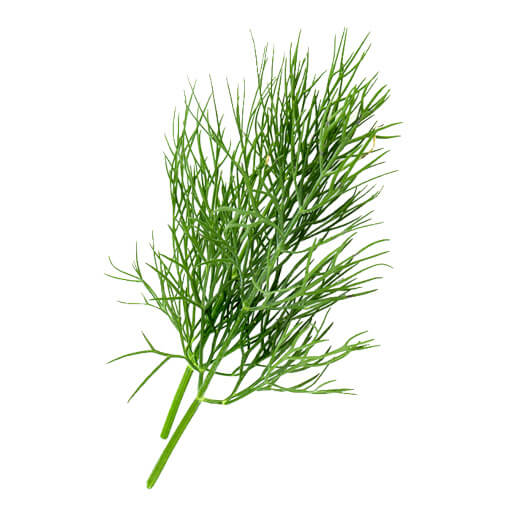 |
Fennel seeds are the dried fruits of a feathery, yellow-flowered herb native to the Mediterranean and now grown in India and around the world. They have a sweet, gentle anise-like flavor with a warm, slightly licorice aroma that is softer than star anise. Fennel pairs well with chai spices, licorice, peppermint, chamomile and citrus in herbal blends, and it adds sweetness to rooibos and black tea. In India, candied fennel seeds are a traditional after-meal nibble offered to guests. | Shop teas with Fennel → |
| Fig | 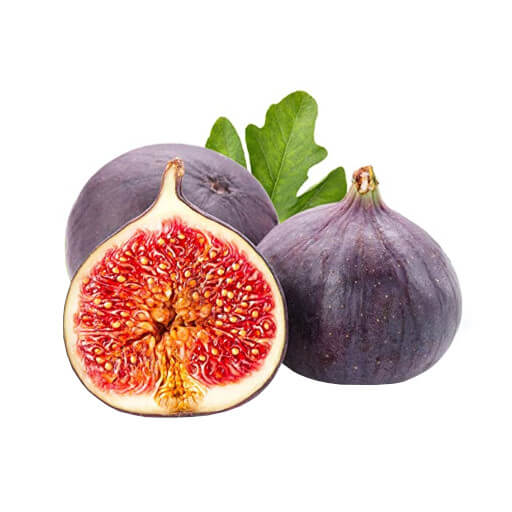 |
Figs are the soft, sweet fruit of the fig tree, grown since ancient times around the Mediterranean, especially in Turkey, Greece and Spain. Dried fig pieces add a honeyed, jammy sweetness with a slightly nutty depth and a rich, fruity aroma. Fig is a lovely match for black tea, rooibos, white tea and fruit blends, especially with vanilla, cinnamon, almond and orange. A fig blend tastes rich and comforting hot with a splash of milk, and surprisingly elegant served iced. | Shop teas with Fig → |
| Ginger | 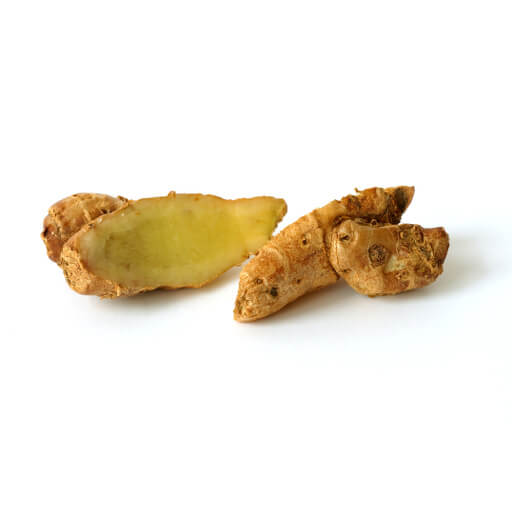 |
Ginger is the knobby root, or rhizome, of a tropical plant first grown in Southeast Asia and now cultivated in India, China and beyond. In the cup it brings a lively, peppery heat with a bright, zesty, slightly citrusy aroma that warms from the first sip. Ginger is one of the stars of chai and pairs well with black tea, green tea, rooibos and herbal blends, often alongside lemon, cinnamon, turmeric and peach. It is great hot with honey or brewed strong and served iced. | Shop teas with Ginger → |
| Ginseng | 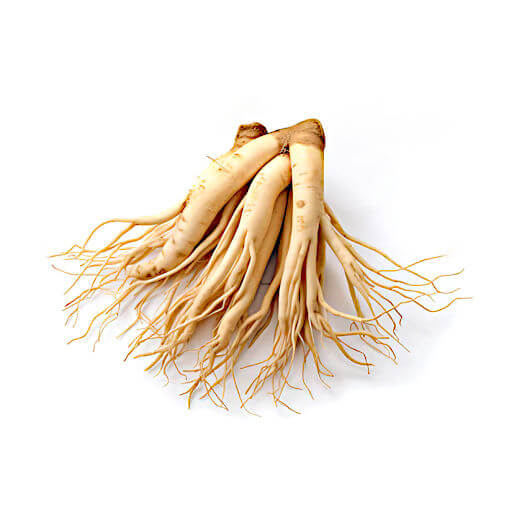 |
Ginseng is the slow-growing root of a plant native to the mountain forests of Korea, northeast China and parts of North America. It has an earthy, woody flavor with a gentle bitter-sweet balance and a slightly savory finish. In tea, ginseng is often paired with green tea, oolong and herbal blends, and it works nicely with ginger, lemongrass, mint and citrus. It has been treasured in Korean and Chinese tea culture for centuries, where ginseng tea is a classic gift for family and friends. | Shop teas with Ginseng → |
| Goji | 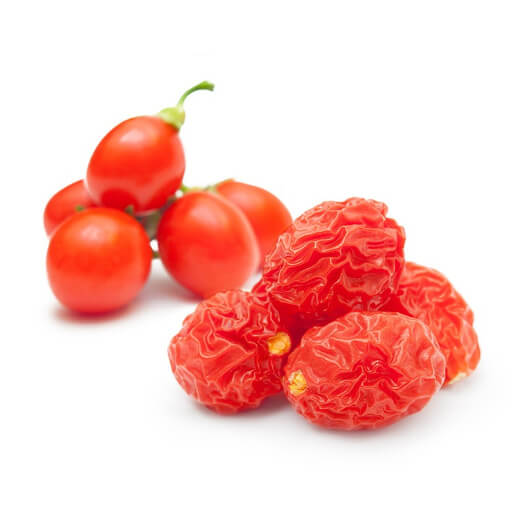 |
Goji berries, also known as wolfberries, are the small, bright red-orange fruits of a shrub grown for centuries in northwest China, especially in the Ningxia region. Dried goji berries bring a mild, tangy-sweet flavor, somewhere between a cranberry and a cherry, with a light herbal note. They pair well with green tea, white tea, rooibos and fruit blends, alongside raspberry, pomegranate, hibiscus and citrus. In China, goji berries are a beloved everyday ingredient in soups, desserts and teas. | Shop teas with Goji → |
| Guava | 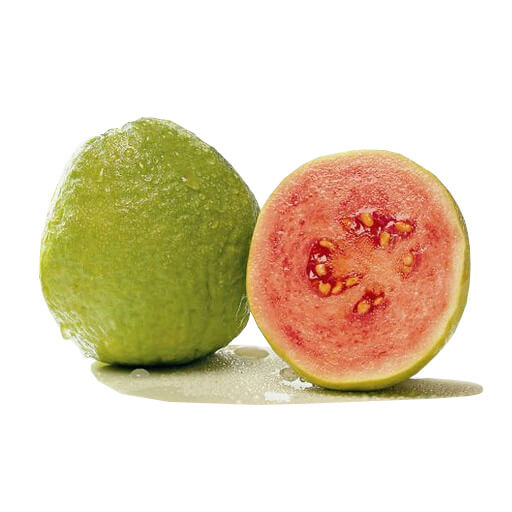 |
Guava is a fragrant tropical fruit native to Central and South America and now grown widely in Mexico, India, Hawaii and the Caribbean. Dried guava brings a sweet, juicy flavor somewhere between pear and strawberry, with a perfumed, floral tropical aroma. It is a natural fit for fruit blends, green tea, white tea, black tea and rooibos, pairing especially well with passion fruit, mango, pineapple and hibiscus. Guava blends make a bright, sunny iced tea that is perfect for summer. | Shop teas with Guava → |
| Guayusa | 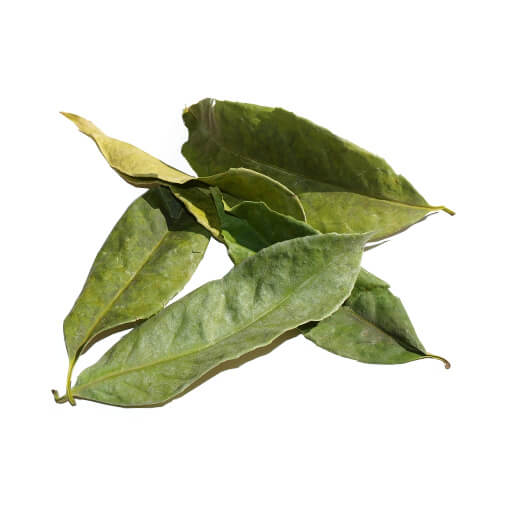 |
Guayusa is a holly tree native to the Amazon rainforest of Ecuador, where its leaves have been brewed by local communities for generations. Like yerba mate, it naturally contains caffeine, and its dried leaves brew a smooth, mellow cup with a slightly sweet, earthy flavor and very little bitterness. Guayusa pairs nicely with mint, lemongrass, citrus, ginger and fruit in herbal blends, and it blends well with green tea. In Ecuador, families traditionally gather before dawn to share guayusa and tell stories. | Shop teas with Guayusa → |
| Hemp |  |
Hemp is a hardy plant cultivated for thousands of years in Asia and Europe for its fiber, seeds and leaves. The hemp leaves used in tea are completely non-psychoactive and brew a mild, green, grassy cup with a soft herbal aroma and a gently earthy finish. Hemp works well with green tea, chamomile, mint, lemongrass and lavender in herbal blends. Its subtle flavor lets brighter ingredients take the lead, and it tastes pleasant both as a warm evening cup and served iced. | Shop teas with Hemp → |
| Hibiscus | 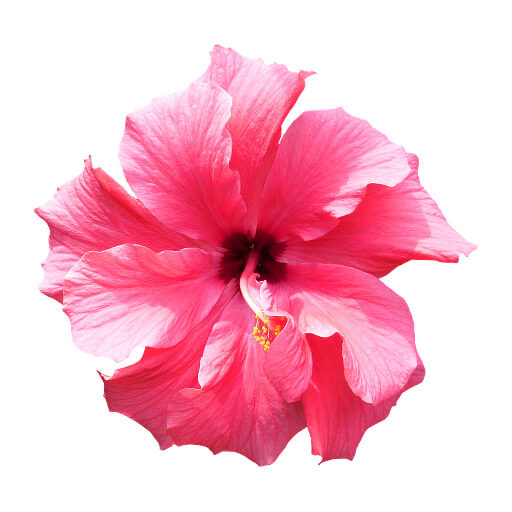 |
Hibiscus tea is made from the deep red calyces of the roselle flower, a tropical plant grown in West Africa, Egypt, Mexico and Southeast Asia. It brews a bold, tart, cranberry-like cup with a fruity tang and a stunning ruby-red color. Hibiscus is the backbone of many fruit and herbal blends, pairing beautifully with rosehip, orange, berries, ginger and cinnamon, and it adds zing to rooibos and black tea. In Mexico, chilled hibiscus tea known as agua de jamaica is a summer favorite. | Shop teas with Hibiscus → |
| Honeybush |  |
Honeybush is a shrub native to the coastal mountains of South Africa's Eastern and Western Cape, and a close cousin of rooibos. Like rooibos it is naturally caffeine-free, and its leaves and stems brew a naturally sweet, mellow cup with notes of honey, dried apricot and toasted grain. Honeybush is lovely on its own and blends well with rooibos, vanilla, citrus, caramel and fruit, and its name comes from the honey-scented yellow flowers. Enjoy it with milk or served iced. | Shop teas with Honeybush → |
| Jasmine |  |
Jasmine is a climbing shrub whose small white blossoms have perfumed tea in southern China, especially Fujian, for centuries. In the cup it gives a sweet, heady floral aroma with a soft, honeyed finish that lingers long after each sip. Traditionally the fresh flowers are layered with green or white tea overnight so the leaves soak up their scent, and the dried blossoms also brighten oolong, fruit and herbal blends. Try it iced on a hot afternoon for a fragrant, refreshing glass. | Shop teas with Jasmine → |
| Juniper berries | 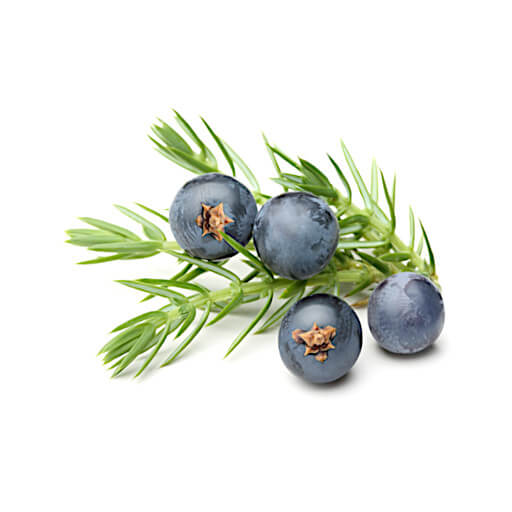 |
Juniper berries are the small, dusky blue cones of an evergreen shrub that grows wild across Europe, North America and the Alps. They bring a crisp, piney, resinous aroma with a gently peppery bite and a faint citrus sweetness underneath. In tea they shine in herbal and spice blends, pairing well with rosehip, apple, orange peel, cinnamon and black tea. A fun note: juniper is the botanical that gives gin its signature flavor, so it adds a bright, wintry, forest-like character to any cup. | Shop teas with Juniper berries → |
| Kiwi | 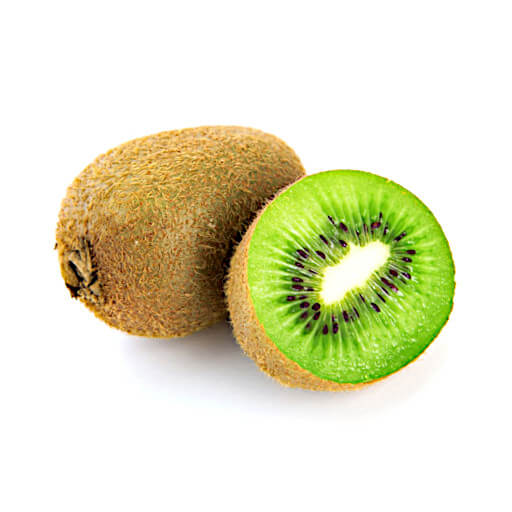 |
Kiwi, or kiwifruit, is the fuzzy brown fruit of a vine native to China and made famous by growers in New Zealand. Dried kiwi pieces add a bright, tangy-sweet flavor with hints of strawberry, melon and a gentle tartness that wakes up the palate. They pair beautifully with green tea, white tea, rooibos and colorful fruit blends, especially alongside strawberry, mango or hibiscus. Kiwi blends are especially lovely brewed strong and poured over ice for a juicy summer cooler. | Shop teas with Kiwi → |
| Lavender | 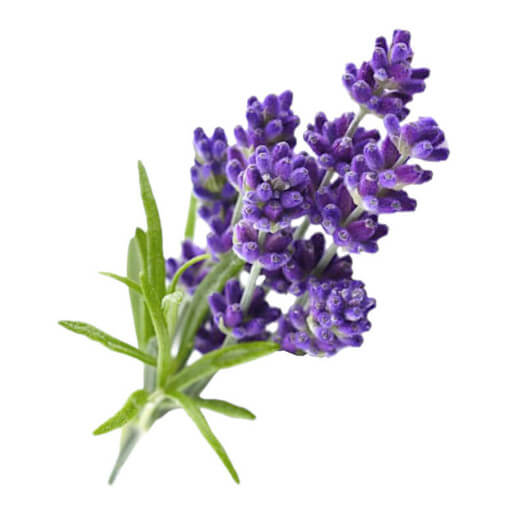 |
Lavender is a fragrant Mediterranean herb whose purple flower buds have long scented gardens and kitchens across Provence and southern Europe. In the cup it offers a sweet, floral aroma with gentle herbal notes of rosemary and mint, plus a slightly woody finish. It pairs beautifully with Earl Grey, black tea, chamomile, lemon, rooibos and other herbal blends. A little goes a long way, so blend it sparingly, and try a lavender cup with a splash of milk and honey for a cozy evening ritual. | Shop teas with Lavender → |
| Lemon |  |
Lemon peel comes from the bright yellow fruit of the lemon tree, grown in sunny regions like the Mediterranean, California and South America. Dried peel gives a zesty, sharp citrus aroma with a clean, lightly bitter edge and a sunny fragrance that lifts the whole cup. It pairs well with green tea, black tea, rooibos, ginger, mint and berry blends. Lemon blends make excellent iced tea, and a drizzle of honey softens the tartness nicely in a hot mug on a chilly day. | Shop teas with Lemon → |
| Lemon Balm | 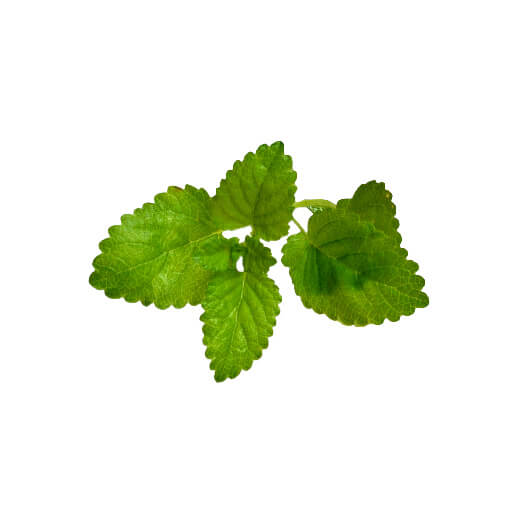 |
Lemon balm, also called melissa, is a leafy herb in the mint family, native to southern Europe and the Mediterranean and now grown in gardens worldwide. Its leaves brew a light, mellow cup with a fresh lemon scent, a hint of mint and soft green, grassy notes. It blends nicely with chamomile, peppermint, lemongrass, rooibos and green tea, adding brightness without sharp acidity. Lemon balm is lovely hot as an evening cup and also makes a crisp, lemony iced tea in summer. | Shop teas with Lemon Balm → |
| Lemongrass | 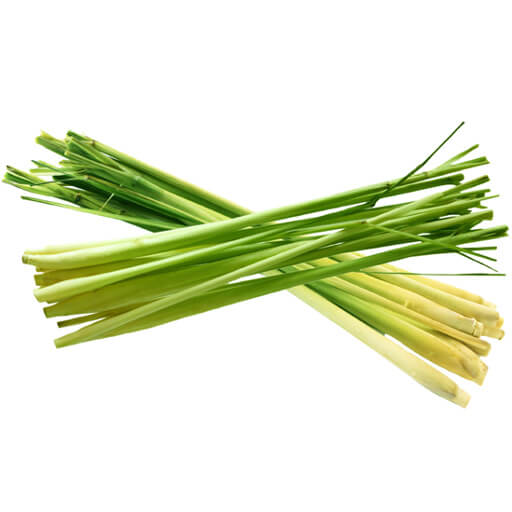 |
Lemongrass is a tall tropical grass native to South and Southeast Asia, where its fragrant stalks are a staple of Thai and Vietnamese cooking. In tea it gives a bright, clean lemon aroma with gentle hints of ginger and a light, grassy sweetness. It pairs wonderfully with green tea, rooibos, ginger, mint, coconut and fruit blends, adding citrus freshness without any sourness. Lemongrass is excellent iced, and its sunny flavor stands up well to a long steep without turning bitter. | Shop teas with Lemongrass → |
| Linden | 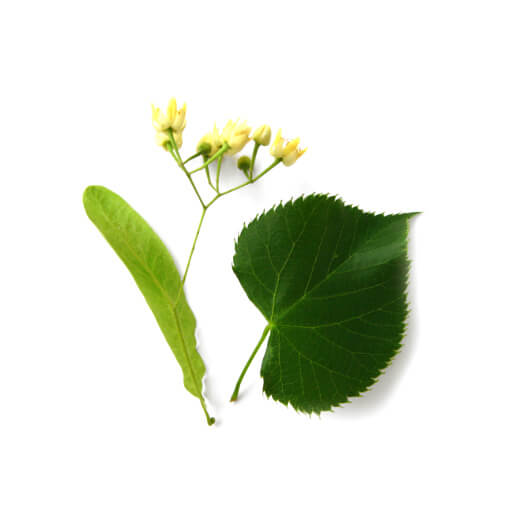 |
Linden, also known as lime blossom or basswood, comes from the fragrant pale yellow flowers and leafy bracts of linden trees found across Europe and North America. It brews a soft, mellow cup with a sweet, honey-like floral aroma and a smooth, gentle finish. Linden blends nicely with chamomile, lemon balm, mint, rooibos and light fruit blends. In France and Central Europe it is a beloved after-dinner tea, often enjoyed simply on its own with a little honey. | Shop teas with Linden → |
| Liquorice Root | 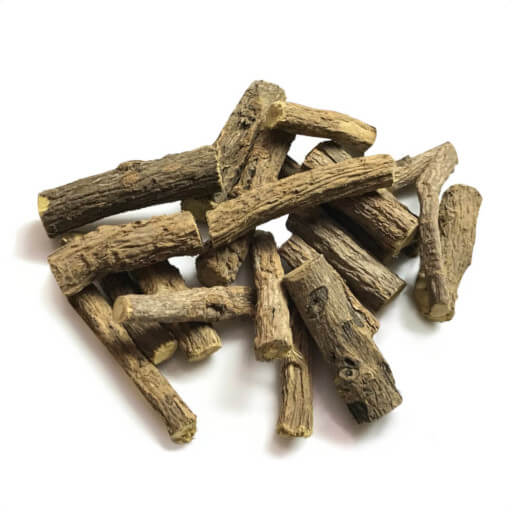 |
Liquorice root, often spelled licorice in the US, comes from the root of a leguminous plant native to southern Europe, the Middle East and Asia. It brings a naturally sweet, smooth flavor with warm notes of anise and a lingering, mellow finish. It rounds out chai, spice and herbal blends beautifully, pairing well with cinnamon, ginger, peppermint, fennel and rooibos. Because it is so naturally sweet, a small amount lets you skip the sugar entirely while still enjoying a rich, full cup. | Shop teas with Liquorice Root → |
| Lychee | 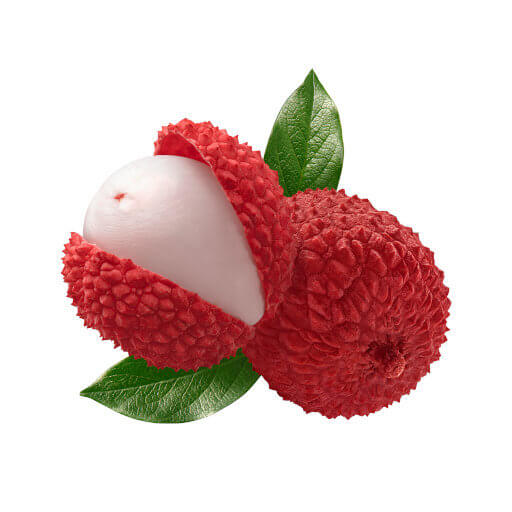 |
Lychee is a small tropical fruit with a bumpy red shell and translucent white flesh, cultivated for thousands of years in southern China. It adds a sweet, juicy flavor with a perfumed, rose-like floral aroma that is truly unique among fruits. Lychee pairs especially well with black tea, green tea, white tea and oolong, and it sits nicely beside rose petals or jasmine. A cup of lychee black tea is a classic in China, and it is equally refreshing served chilled over ice. | Shop teas with Lychee → |
| Mallow | 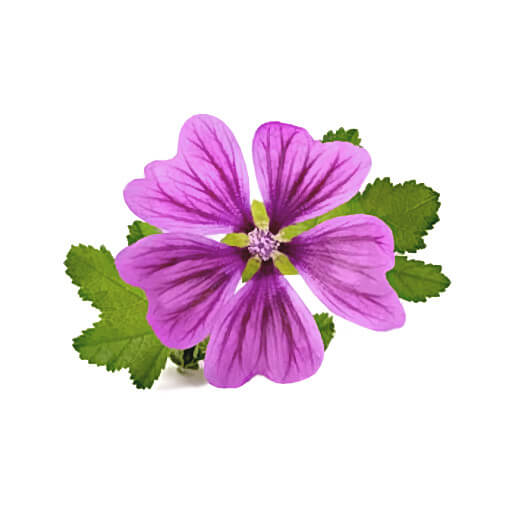 |
Mallow flowers come from the common mallow plant, a hardy wildflower found across Europe, North Africa and Asia. The dried blossoms have a very mild, slightly sweet and grassy taste, so they are prized mostly for their beauty and soft texture. They add striking blue and purple color to herbal, fruit and green tea blends, mixing well with rose, lavender and hibiscus. Fun fact: mallow infusion can shift from blue to pink when you add a squeeze of lemon. | Shop teas with Mallow → |
| Mango | 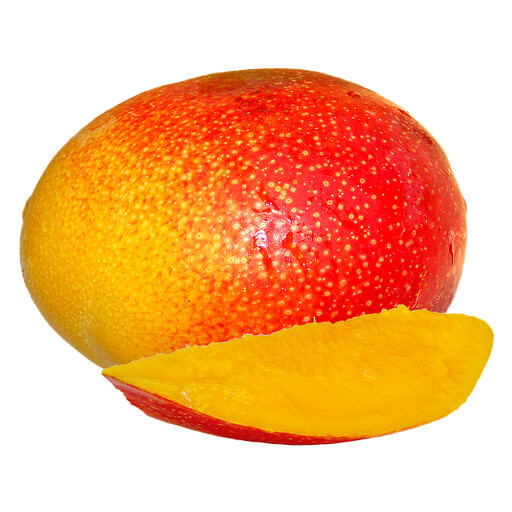 |
Mango is the beloved stone fruit of a tropical tree native to South Asia, now grown across India, Southeast Asia, Africa and Latin America. Dried mango pieces add a lush, sweet, golden flavor with tropical notes of peach and a hint of citrus tang. Mango pairs beautifully with black tea, green tea, white tea and rooibos, as well as pineapple, passion fruit, coconut and ginger. Mango blends make vibrant iced tea, and milk turns a black tea version into a lassi-style cup. | Shop teas with Mango → |
| Marigold | 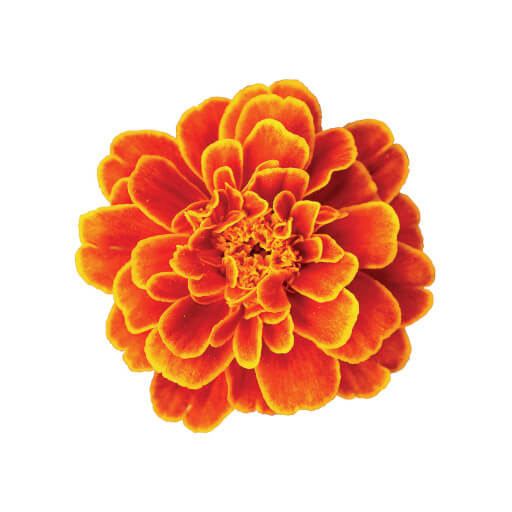 |
Marigold petals, also known as calendula, come from a bright orange and golden flower that has grown in Mediterranean gardens for centuries. The dried petals have a light, mildly sweet and slightly peppery taste with a gentle floral aroma. They are used mostly to add cheerful color to herbal, fruit, green and black tea blends, pairing nicely with chamomile, rose, citrus and berries. In the past, calendula petals were even called poor man's saffron because cooks used them to color rice and butter. | Shop teas with Marigold → |
| Melissa | 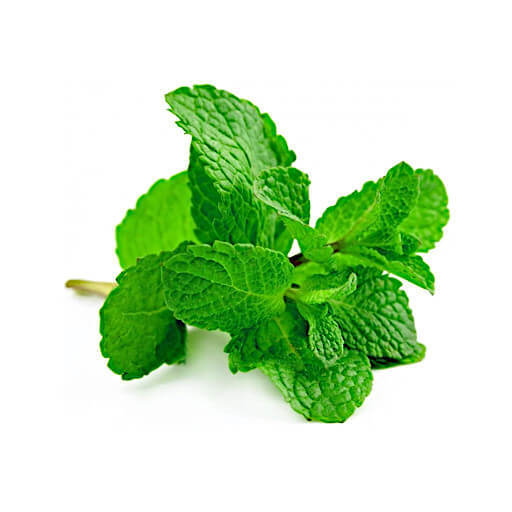 |
Melissa is another name for lemon balm, a leafy herb of the mint family that grows across southern Europe and the Mediterranean. Its name comes from the Greek word for honeybee, since bees love its flowers. The leaves brew a light, fresh cup with a gentle lemon scent, a hint of mint and a soft, grassy sweetness. Melissa blends well with chamomile, peppermint, lemongrass, verbena and green tea, and it is lovely hot in the evening or iced in summer. | Shop teas with Melissa → |
| Melon | 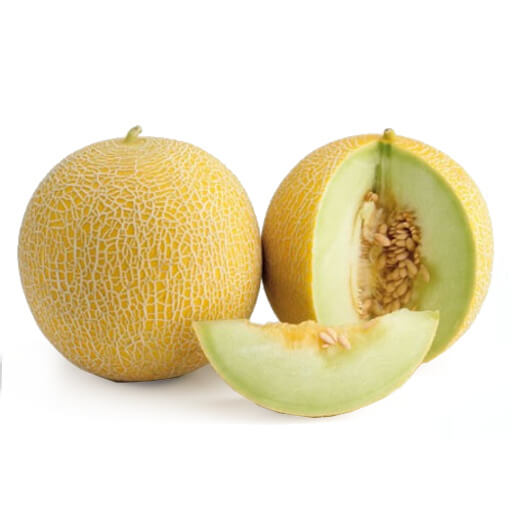 |
Melon flavor and pieces are inspired by sweet, juicy summer fruits like honeydew and cantaloupe, which originated in Africa and Southwest Asia and are now grown worldwide. In the cup, melon gives a fresh, mellow sweetness with a cool, watery juiciness and a soft floral aroma. It pairs especially well with green tea, white tea, oolong and fruit blends featuring cucumber, mint, kiwi or strawberry. Melon blends are at their best brewed strong and poured over ice on a hot summer afternoon. | Shop teas with Melon → |
| Mint |  |
Mint is a family of fragrant leafy herbs, including spearmint and peppermint, that grow wild and in gardens across Europe, North Africa and Asia. Its leaves bring a cool, crisp, refreshing flavor with a clean, sweet aroma that lifts any cup. Mint pairs beautifully with green tea, black tea, rooibos, lemon, ginger and chocolate notes. In Morocco, gunpowder green tea brewed with fresh spearmint and sugar is a famous symbol of hospitality, served poured from a height to create a little foam. | Shop teas with Mint → |
| Moringa | 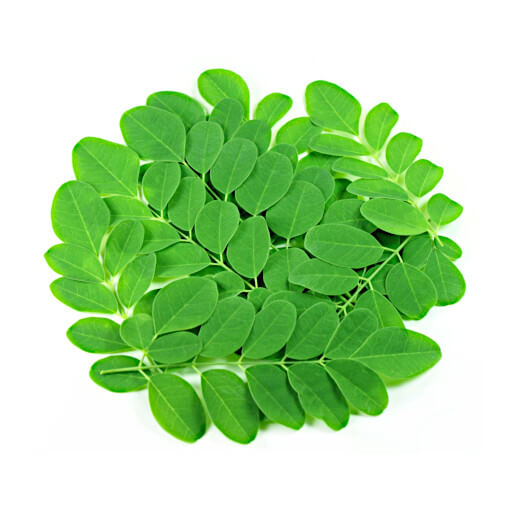 |
Moringa is a fast-growing tree native to the foothills of the Himalayas in northern India and now cultivated across Africa, Asia and Latin America. Its dried leaves brew a mild, green cup with a fresh, grassy, spinach-like flavor and a faint earthy sweetness. Moringa blends nicely with green tea, lemongrass, mint, ginger and citrus peel, which brighten its gentle vegetal character. Steep it at a slightly lower temperature, around 185 degrees Fahrenheit, to keep the flavor smooth and pleasantly fresh. | Shop teas with Moringa → |
| Nettle | 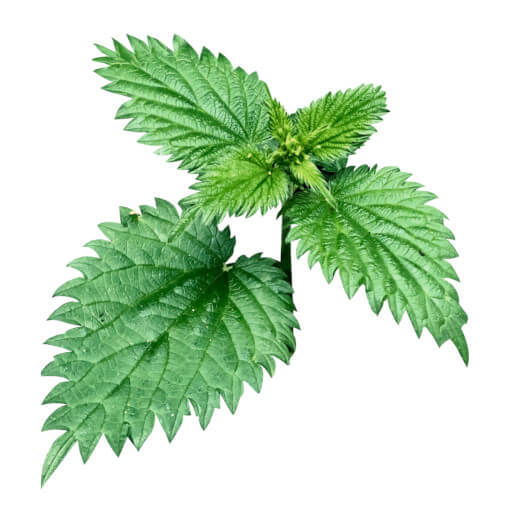 |
Nettle, or stinging nettle, is a leafy wild plant that grows across Europe, Asia and North America; once dried, its leaves lose their sting completely. Nettle brews a mild, earthy cup with a green, spinach-like flavor and a light grassy sweetness. It blends nicely with peppermint, lemon balm, lemongrass, rooibos and green tea, which add brightness to its gentle vegetal notes. In the British countryside, nettle tea is a traditional springtime brew, made from the tender young tops picked in early spring. | Shop teas with Nettle → |
| Orange | 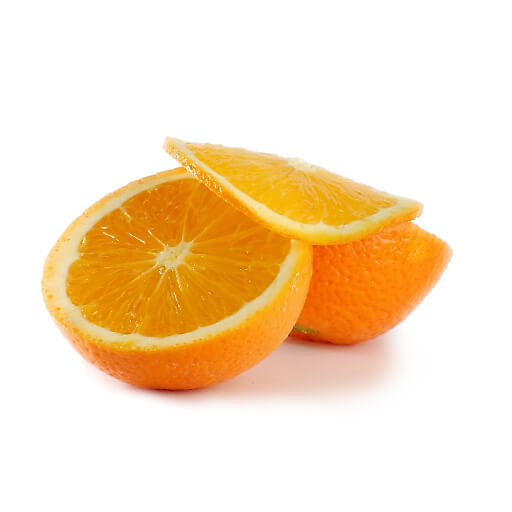 |
Orange peel comes from the bright skin of sweet and bitter oranges, grown in sunny regions such as Spain, Florida, Brazil and the Mediterranean. Dried peel adds a warm, sweet citrus aroma with a hint of pleasant bitterness and a sunny, zesty finish. It is one of the most versatile tea ingredients, pairing beautifully with black tea, green tea, rooibos, cinnamon, clove, chocolate and cranberry. Orange and spice blends are a holiday favorite, and they are wonderful with a splash of milk. | Shop teas with Orange → |
| Papaya | 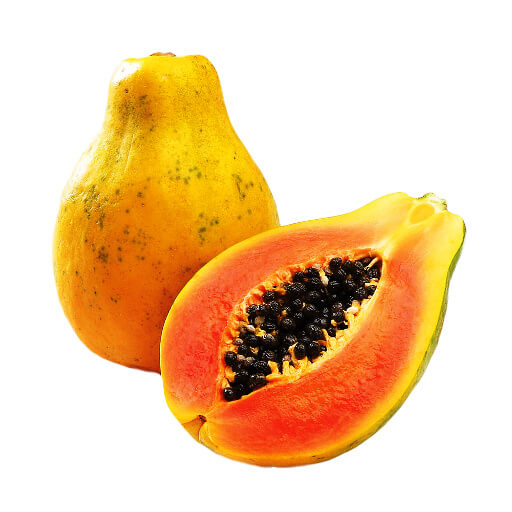 |
Papaya is a soft, orange-fleshed tropical fruit native to southern Mexico and Central America and now grown throughout the tropics. Dried papaya pieces add a mellow, sweet flavor with musky, melon-like notes and a gentle tropical aroma. Papaya pairs well with rooibos, green tea, white tea and fruit blends, especially alongside mango, pineapple, coconut and passion fruit. Because its flavor is soft rather than tart, papaya rounds out tangier fruits nicely and makes a smooth, easygoing iced tea. | Shop teas with Papaya → |
| Peach | 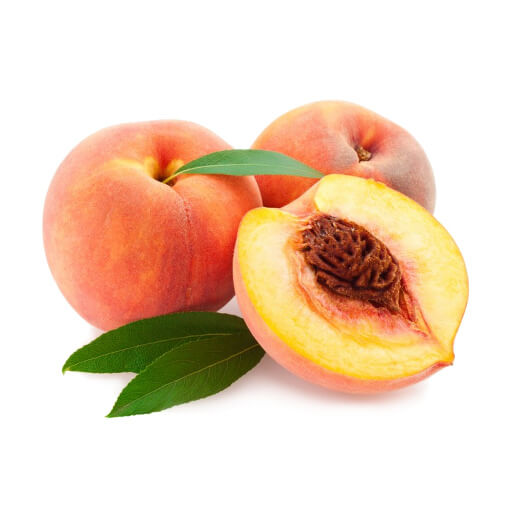 |
Peach is the fuzzy stone fruit of a tree first cultivated in China thousands of years ago and now grown everywhere from Georgia to Italy. Dried peach pieces and flavor bring a juicy, fragrant sweetness with soft floral notes and a velvety, mellow finish. Peach pairs beautifully with white tea, green tea, oolong, black tea and rooibos, as well as apricot, ginger and vanilla. Southern-style peach iced tea is an American summer classic, and a fresh mint sprig makes it even more refreshing. | Shop teas with Peach → |
| Pear | 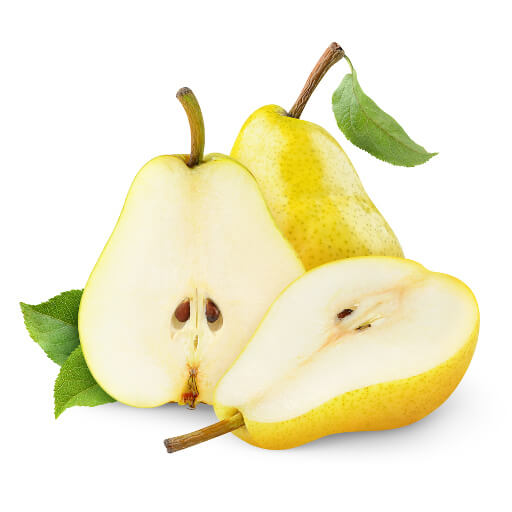 |
Pear is an orchard fruit with roots in Europe and Asia, grown in cooler regions from the Pacific Northwest to France and China. Dried pear pieces add a gentle, mellow sweetness with a soft, juicy, slightly floral flavor and a hint of honey. Pear pairs well with black tea, white tea, rooibos and spice blends, especially alongside cinnamon, ginger, vanilla, cardamom and apple. Pear and spice blends are cozy autumn favorites, and they taste wonderful with a splash of milk or steamed into a latte. | Shop teas with Pear → |
| Peppercorns | 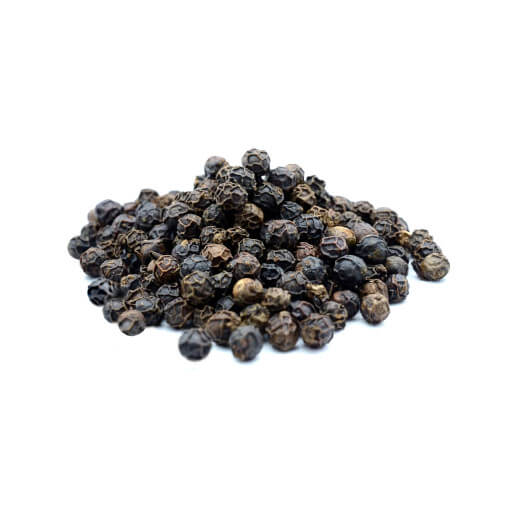 |
Peppercorns are the dried berries of a climbing vine native to the Malabar Coast of southern India, the origin of the spice trade. Black, green and pink varieties add gentle warmth and a lively spicy bite, with aromas ranging from woody and pungent to bright and fruity. They are essential in masala chai and spice blends, pairing with black tea, rooibos, ginger, cinnamon, cardamom and clove. Simmer a peppery chai with milk and a little sugar for a rich, warming cup. | Shop teas with Peppercorns → |
| Peppermint | 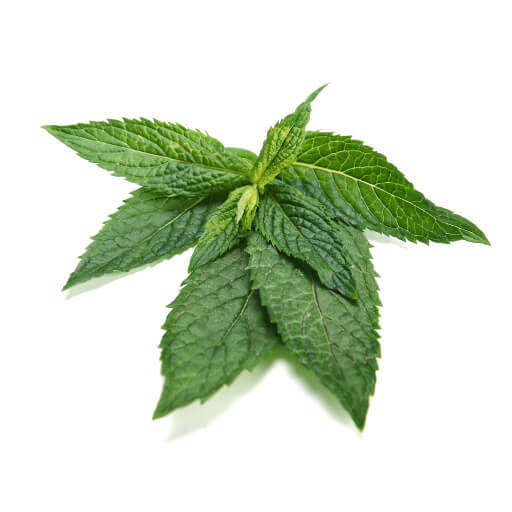 |
Peppermint is a natural hybrid of spearmint and watermint, native to Europe and the Middle East and now grown widely in places like Oregon and Washington. Its leaves brew a bold, cooling cup with a crisp, sweet, intensely minty aroma and a clean, lingering finish. Peppermint is wonderful on its own and pairs well with green tea, black tea, rooibos, chocolate, licorice and lemongrass. It is naturally caffeine-free as an herb, and it is equally refreshing hot after dinner or iced in summer. | Shop teas with Peppermint → |
| Pineapple | 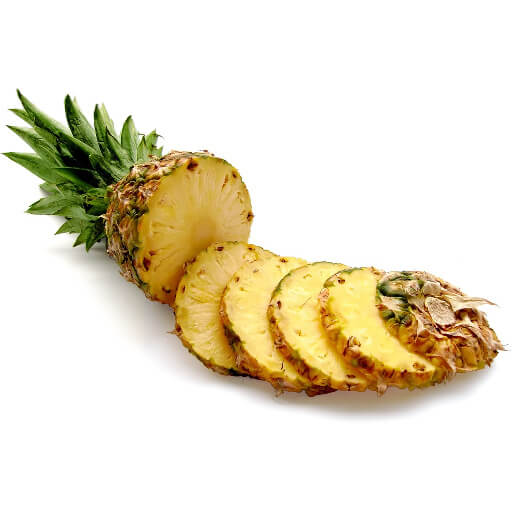 |
Pineapple is a tropical fruit native to South America and now grown widely in Costa Rica, the Philippines, Thailand and Hawaii. Dried pineapple pieces add a juicy, tangy-sweet flavor with a bright, sunny aroma and a lively tropical zing. They pair beautifully with green tea, white tea, rooibos and fruit blends featuring mango, coconut, papaya, ginger or passion fruit. Pineapple blends make a fantastic iced tea, and a splash of coconut milk gives them a fun piña colada twist. | Shop teas with Pineapple → |
| Pomegranate | 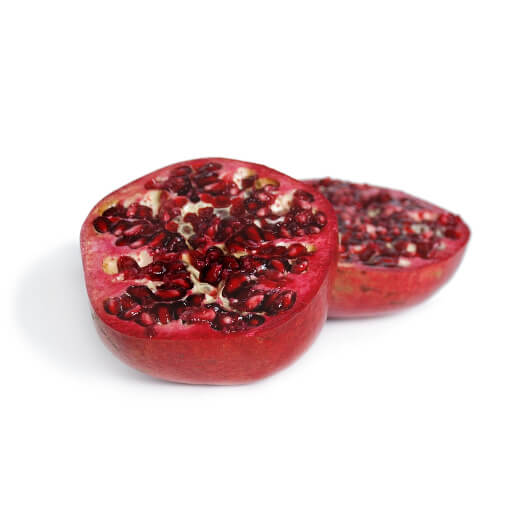 |
Pomegranate is the ruby-seeded fruit of a small tree native to Persia and long grown across the Mediterranean, the Middle East and India. In the cup it gives a tart, tangy flavor with a gentle sweetness, a hint of cranberry and a lovely rosy red color. It shines in fruit blends and hibiscus mixes, and it also brightens green tea, white tea and rooibos. Try a pomegranate blend iced with a slice of lime for a refreshing summer drink. | Shop teas with Pomegranate → |
| Pumpkin | 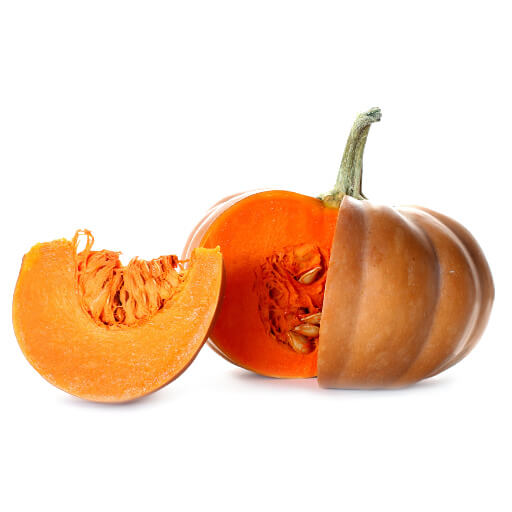 |
Pumpkin is a winter squash first grown in the Americas, and for tea it is usually dried in small pieces or flakes. It brings a mellow, earthy sweetness with a soft, almost buttery roundness that recalls pumpkin pie. It pairs beautifully with cinnamon, ginger, nutmeg and clove, and it works well in black tea, rooibos and chai-style blends. For a cozy fall cup, brew it strong and add a splash of milk and a little honey or maple syrup. | Shop teas with Pumpkin → |
| Raspberry | 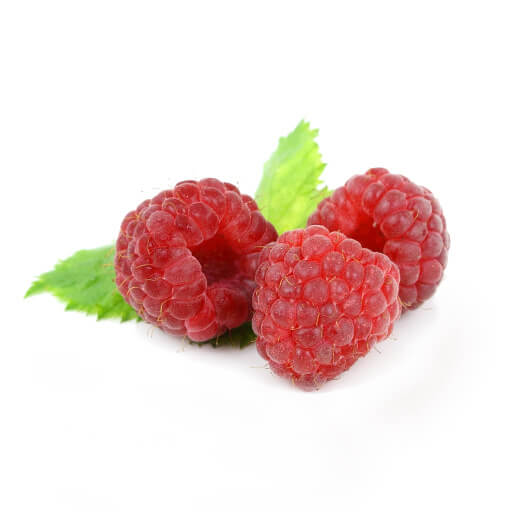 |
Raspberries are the soft, jewel-red berries of a bramble that grows wild across Europe and North America. Dried pieces add a bright, juicy, sweet-tart berry flavor and a fragrant aroma that smells like summer jam. They are a natural match for green tea, white tea and black tea, and they shine in fruit and hibiscus blends alongside strawberry, blackberry and rose. Raspberry blends make an excellent iced tea, especially lightly sweetened with a sprig of fresh mint. | Shop teas with Raspberry → |
| Raspberry leaves | 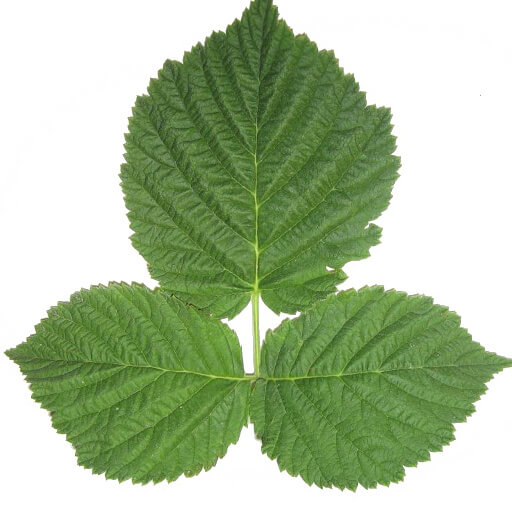 |
Raspberry leaves are the green leaves of the same bramble that gives us raspberries, harvested and dried much like tea leaves in Europe and North America. They brew a smooth, mild cup with a light, slightly earthy, grassy flavor that many people compare to a gentle black tea. They are naturally caffeine-free and make a friendly base for herbal blends with mint, rose, hibiscus or berries. Enjoy them hot on their own, or add a slice of lemon. | Shop teas with Raspberry leaves → |
| Rose petals |  |
Rose petals come from fragrant garden roses, a flower prized for centuries in Persia, Bulgaria, Turkey and China. They add a sweet, romantic floral aroma with a soft, slightly fruity finish and pretty pink color in the cup. Rose is a classic partner for black tea, green tea and white tea, and it blends beautifully with vanilla, cardamom, berries and lavender in herbal mixes. A pinch of rose in Earl Grey or a creamy chai creates an elegant, perfumed cup. | Shop teas with Rose petals → |
| Rosehips | 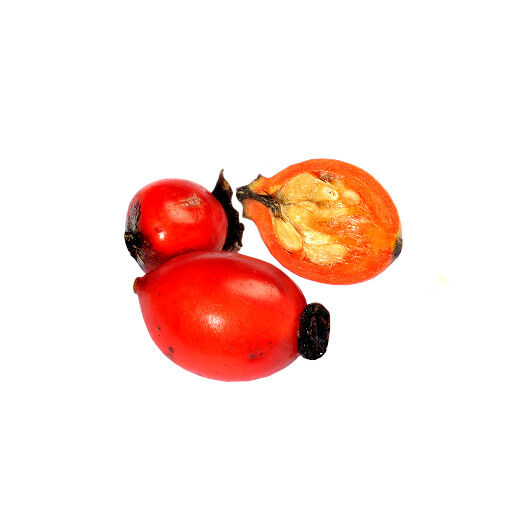 |
Rosehips are the small, round fruit that form on wild rose bushes after the flowers fade, traditionally gathered across Europe and Chile. They brew a mild, fruity, gently tangy cup with notes of apple and cranberry and a warm orange-red color. Rosehips are a favorite base for fruit and herbal blends, pairing well with hibiscus, orange peel, apple and berries, and they also work with rooibos. Their tartness makes them excellent for iced tea, lightly sweetened with honey. | Shop teas with Rosehips → |
| Rosemary | 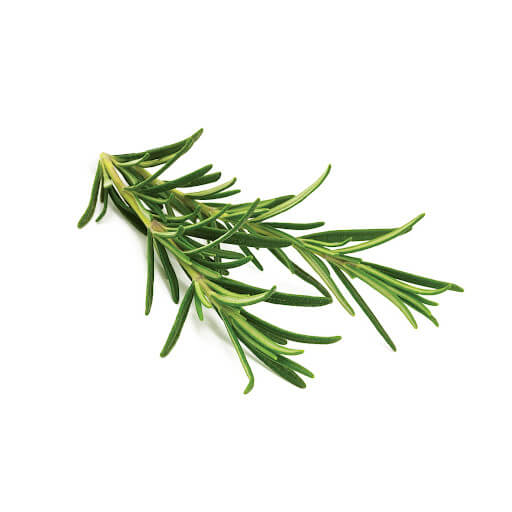 |
Rosemary is an evergreen shrub native to the sunny Mediterranean coast, where its needle-like leaves are a beloved kitchen herb. In the cup it gives a fragrant, woody, pine-like aroma with a hint of camphor and a pleasant savory edge. A little goes a long way, so it is best used as an accent in herbal blends with lemon, mint, lavender or sage, or with green tea. Try pairing rosemary with citrus peel for a bright, aromatic iced tea. | Shop teas with Rosemary → |
| Safflower | 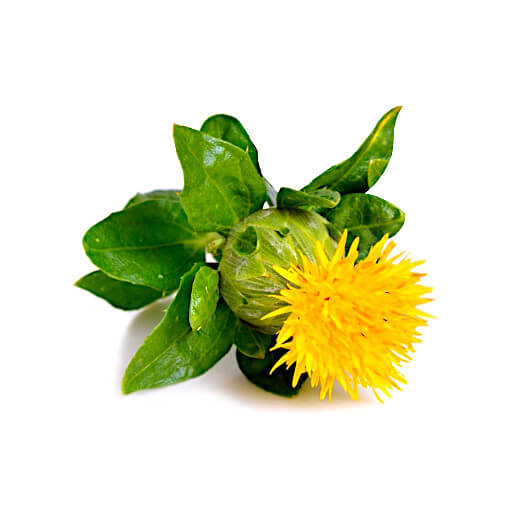 |
Safflower is a thistle-like plant grown since ancient times in the Middle East, India and Egypt, where its bright petals were once used as a natural dye. The dried petals add a vivid orange-red color and a delicate, lightly floral, slightly bitter touch to the cup. Safflower is mostly used for visual appeal in fruit blends, herbal blends and green tea, pairing nicely with citrus, mango and marigold. It is sometimes called false saffron because of its golden shade. | Shop teas with Safflower → |
| Sage | 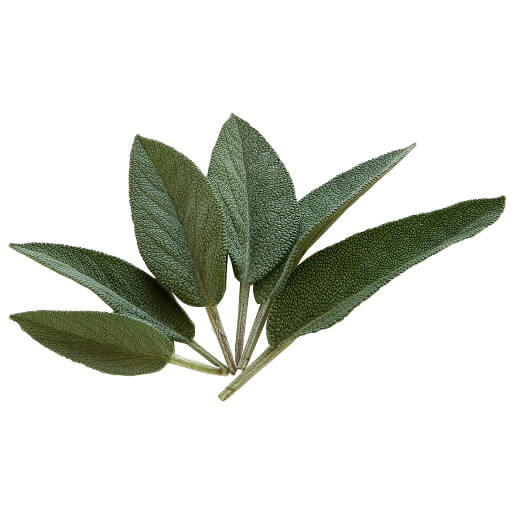 |
Sage is a silvery-leaved herb native to the Mediterranean and treasured in European cooking for centuries. It brews a savory, earthy cup with a slightly peppery, camphor-like aroma and a pleasantly bitter finish. Sage works best as an accent in herbal blends with lemon, mint, rosemary or thyme, and it can also add depth to green tea. For a softer, brighter cup, add a slice of lemon and a spoonful of honey, or try it iced with citrus. | Shop teas with Sage → |
| Schizandra berry |  |
Schisandra berries are small red berries from a climbing vine native to northern China, Korea and the Russian Far East. They are known in China as the five-flavor fruit because they taste sweet, sour, salty, bitter and pungent all at once. In the cup they give a tart, tangy, complex flavor with a woody, slightly spicy finish. Schisandra adds an intriguing twist to fruit and herbal blends with goji, hibiscus or ginger, and it also complements green tea. | Shop teas with Schizandra berry → |
| Senna | 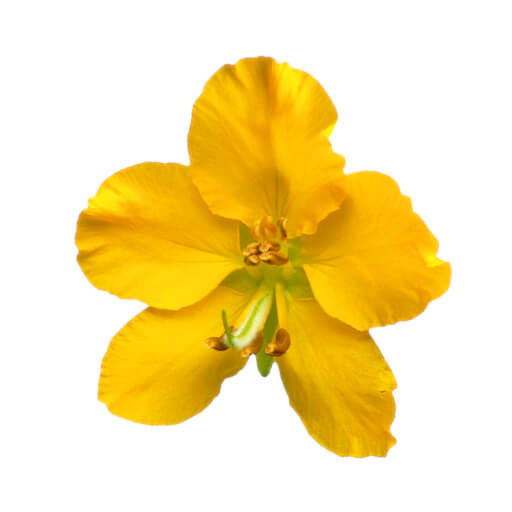 |
Senna is the leaf and pod of a flowering shrub that grows in warm regions of Egypt, Sudan and India. Brewed, it has a mild, earthy, grassy taste with a faint bitterness, so it is usually blended with peppermint, licorice, ginger, orange peel or fennel. Teas with senna are meant for occasional, short-term use only. Please read the product label before use, and check with your doctor if you are pregnant or take any medication. | Shop teas with Senna → |
| Spearmint | 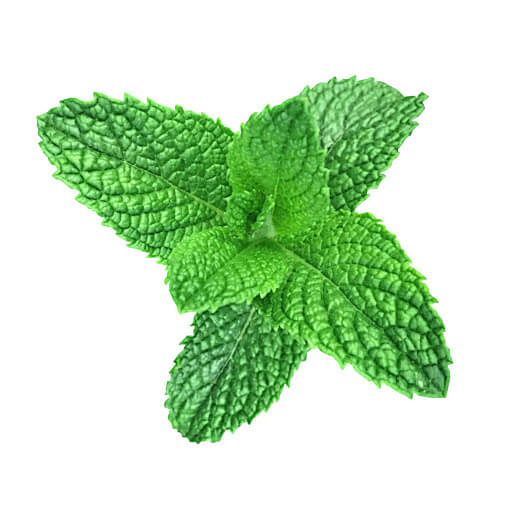 |
Spearmint is a leafy mint native to Europe and Asia, now grown widely around the world. It has a sweet, mellow, refreshing mint flavor that is softer and less sharp than peppermint, with a clean, cooling finish. Spearmint is the classic mint for Moroccan mint tea, traditionally brewed with Chinese gunpowder green tea and plenty of sugar. It also blends well with black tea, rooibos, lemongrass and fruit, and it makes a wonderfully crisp iced tea. | Shop teas with Spearmint → |
| St. John's Wort | 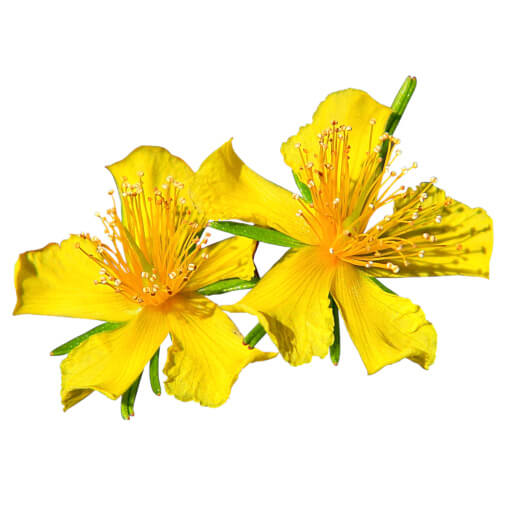 |
St. John's wort is a European wildflower with bright yellow, star-shaped blossoms, named for its tradition of flowering around St. John's Day in late June. Its dried leaves and flowers brew a mild, grassy herbal cup with a slightly bitter, earthy finish. It is usually blended with friendlier flavors such as lemon balm, mint, orange peel or rose in herbal blends. Please read the product label before use, and check with your doctor if you are pregnant or take any medication. | Shop teas with St. John's Wort → |
| Stevia | 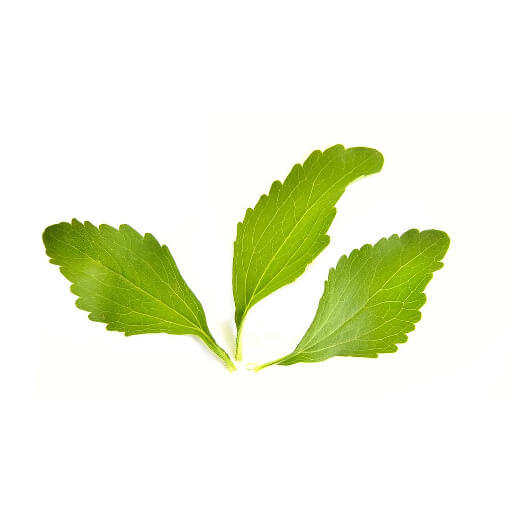 |
Stevia is a leafy shrub native to Paraguay and Brazil, where the Guarani people have long used its leaves to sweeten yerba mate. The dried leaves are intensely sweet, with a light licorice-like note and a gentle herbal aftertaste. Just a small amount is blended into herbal teas, fruit blends, rooibos and green tea to add natural sweetness without sugar. If you usually sweeten your tea, a stevia blend is a simple way to enjoy it straight from the pot. | Shop teas with Stevia → |
| Strawberry | 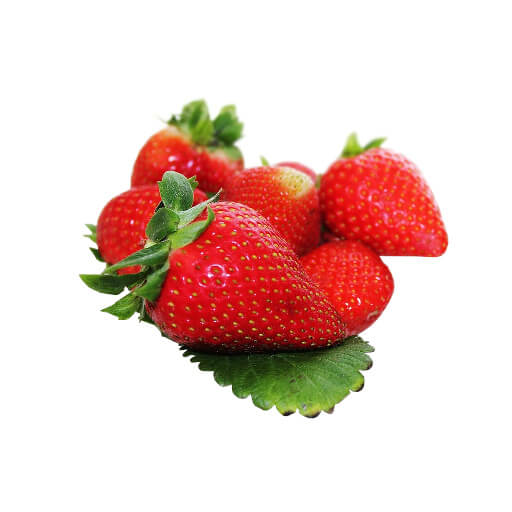 |
Strawberries are the sweet, juicy red fruit of a low garden plant, grown and loved around the world. Dried strawberry pieces add a classic, jammy berry flavor and a sweet, summery aroma with a gentle tang. They are a favorite in fruit blends and pair beautifully with green tea, white tea, black tea and rooibos, as well as with vanilla, rhubarb, kiwi and cream flavors. Strawberry blends are delightful iced, or hot with a splash of milk for a strawberries-and-cream cup. | Shop teas with Strawberry → |
| Strawberry leaves |  |
Strawberry leaves are the green leaves of the strawberry plant, gathered and dried for tea much like other leafy herbs in Europe. They brew a mild, light, smooth cup with a soft grassy flavor and a faint fruity hint. Naturally caffeine-free, they make a gentle base for herbal blends and pair well with strawberry pieces, raspberry leaves, mint, rose and hibiscus. Their subtle taste lets brighter fruits and flowers take center stage, and they are lovely both hot and iced. | Shop teas with Strawberry leaves → |
| Sultanas | 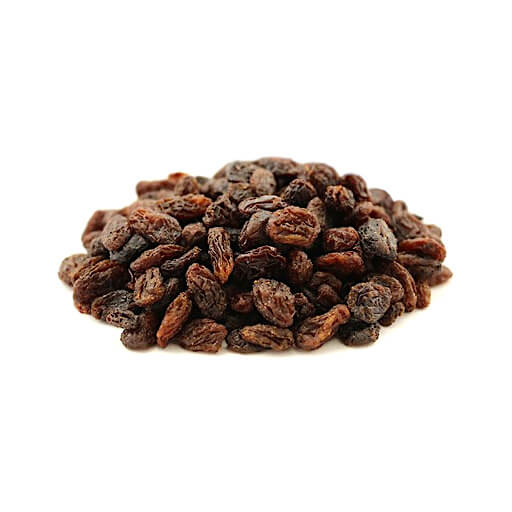 |
Sultanas are golden raisins made from seedless green grapes, traditionally dried in sunny regions such as Turkey, Greece and Iran. In the cup they add a soft, honeyed sweetness with rich, mellow notes of dried fruit and caramel. Sultanas work well in fruit blends, rooibos and black tea, and they are a natural partner for apple, cinnamon, almond and other baking spices. Blends with sultanas taste especially cozy in winter, recalling fruitcake and holiday baking. | Shop teas with Sultanas → |
| Tangerine | 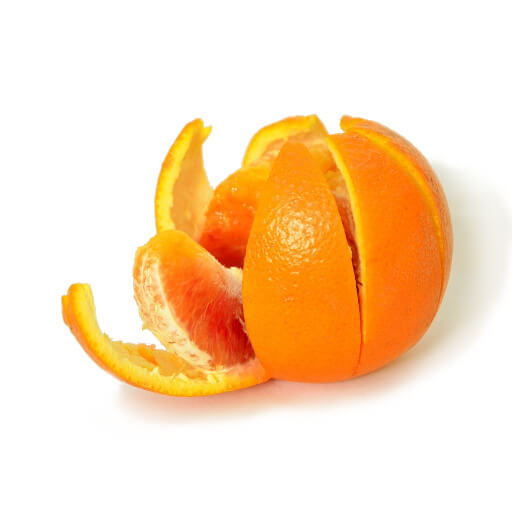 |
Tangerine is a small, easy-peel citrus closely related to the mandarin, long grown in China and now enjoyed worldwide. Its dried peel adds a sweet, fragrant citrus aroma that is softer and rounder than orange, with a gentle zesty tang. Tangerine pairs beautifully with black tea, green tea, white tea and rooibos, and it blends well with ginger, cinnamon, vanilla and other citrus. Try a tangerine blend iced on a warm day, or hot with a touch of honey. | Shop teas with Tangerine → |
| Tulsi | 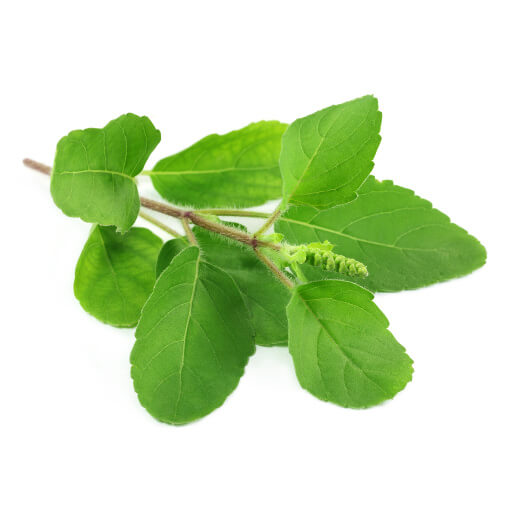 |
Tulsi, also called holy basil, is a fragrant herb native to India, where it is sacred in Hindu tradition and often grown in a courtyard pot at the center of the home. Its leaves brew a fresh, peppery cup with clove-like spice, hints of mint and a light lemony lift. Tulsi pairs well with green tea, black tea, rooibos, ginger, lemongrass and chai spices. It is naturally caffeine-free on its own and tastes great hot or iced. | Shop teas with Tulsi → |
| Turmeric | 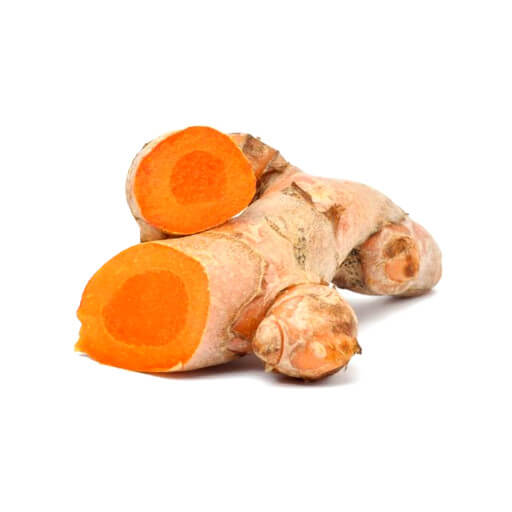 |
Turmeric is the bright orange root of a plant in the ginger family, native to South Asia and a cornerstone of Indian cooking. In the cup it gives a warm, earthy, slightly peppery flavor with a gentle bitterness and a brilliant golden color. Turmeric blends beautifully with ginger, cinnamon, black pepper, cardamom and citrus, and it works with rooibos, green tea and herbal blends. It is the star ingredient of golden milk, so try steeping it strong and adding warm milk. | Shop teas with Turmeric → |
| Valerian | 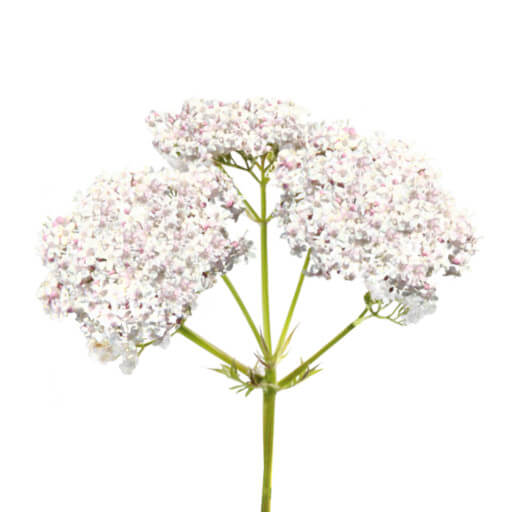 |
Valerian is a tall flowering plant native to Europe and parts of Asia, and the part used in tea is the dried root. It has a strong, earthy, musky aroma that some compare to aged cheese or damp forest floor, with a woody, slightly bitter taste. Because its flavor is so bold, valerian is usually blended with lemon balm, chamomile, mint, lavender or orange peel in herbal blends. A spoonful of honey and a slice of lemon help round out the cup. | Shop teas with Valerian → |
| Verbena | 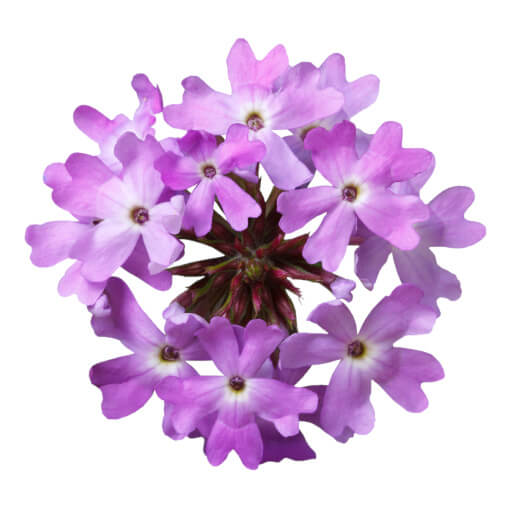 |
Lemon verbena is a leafy shrub native to South America, brought to Europe by Spanish explorers and now grown widely around the Mediterranean. Its slender leaves have an intense, bright lemon aroma that is sweeter and more floral than lemon peel. Verbena is wonderful on its own, and it pairs well with green tea, white tea, mint, lemongrass and fruit blends. In France it is a classic after-dinner herbal tea called verveine, and it makes a refreshing iced tea too. | Shop teas with Verbena → |