


What Is Sencha? Taste, Grades and Brewing
Sencha explained: how Japan's everyday green tea is made, what it tastes like, the grades and steaming styles to know, and how to brew it…
Country, language & currency
or
The Tea Journal · Brewing Guides
By the Tealyra Tea Team · · 5 min read

In short: Buying loose leaf tea online works well when you know what to look for. Check that the seller names the origin, tea type and harvest season, shows photos of the dry leaf, and packs tea in resealable, light-proof pouches. Start with the smallest size of three or four different teas rather than a large bag of one, and keep notes on what you liked. The checklist below covers everything else.
Specialty shops online carry hundreds of teas that no supermarket shelf can match, from first-flush Darjeeling to aged pu-erh. The trade-off is that you cannot smell the leaf before you pay. These eight checks close that gap.
A product page should tell you more than "green tea". At minimum, expect to see:
Vague pages are a warning sign: tea described by mood alone is often a generic blend sold under many names.
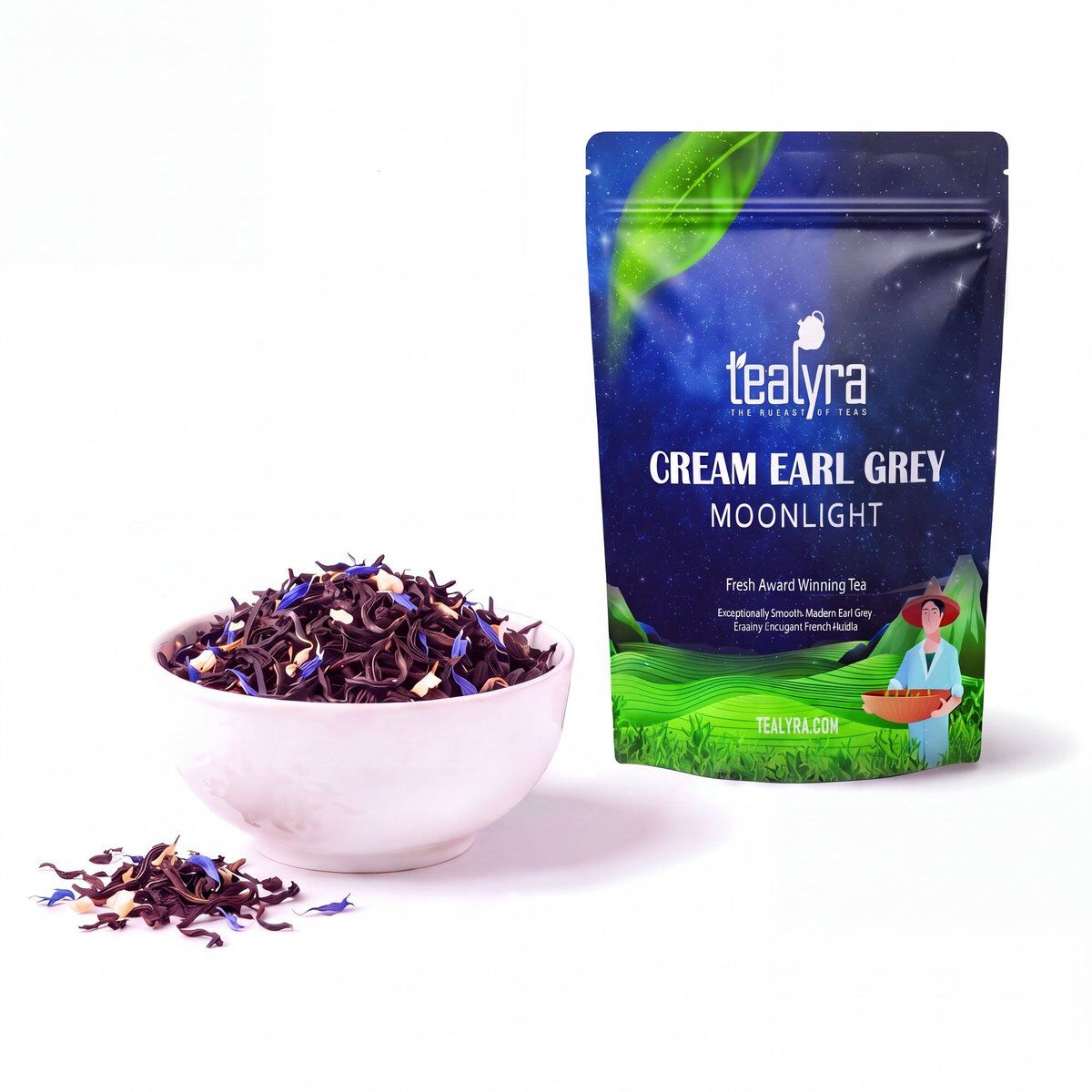
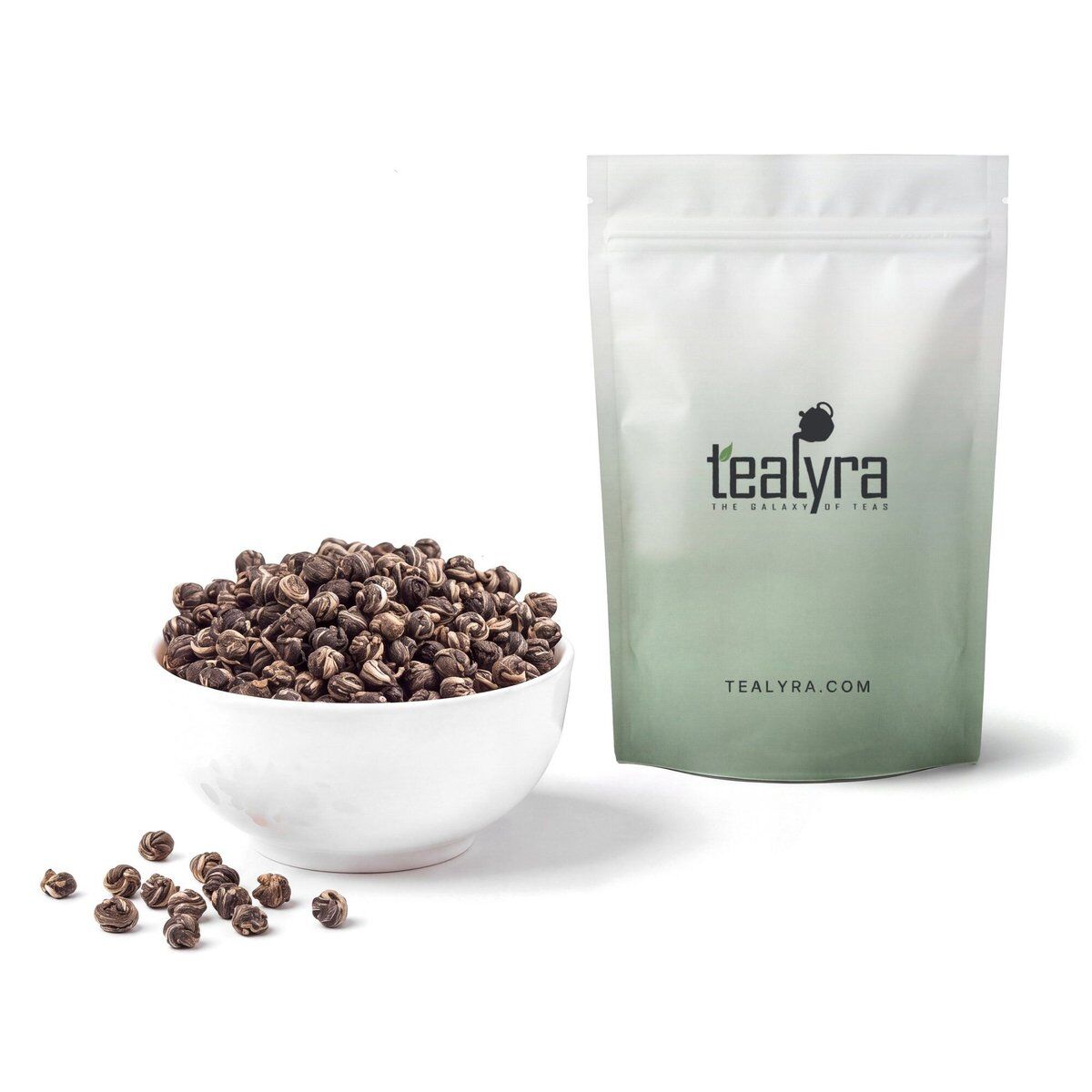
Dry leaf tells a story. Zoom in on the product image and look for these signs of quality:
A photo of the brewed liquor is a bonus: it lets you check that the color matches the tea type. A "green tea" that brews dark brown has probably been stored too long.
Tea does not spoil, but it fades. Green, white and lightly oxidized oolongs are at their best within 12 months of harvest. Black tea, roasted oolong and pu-erh keep their character for two years or longer, and pu-erh is often aged on purpose.
Online, you can judge freshness by how fast a shop turns over its stock. Signs of a busy, well-run tea store include frequent new arrivals, harvest years on seasonal teas, and recent customer reviews. If a green tea page shows a harvest year that is two springs old, pick something else.
Four things damage tea: light, air, moisture and strong smells. Good online sellers protect against all four with opaque, resealable, food-grade pouches that are heat-sealed before shipping. Tea shipped in clear bags, paper envelopes or loosely tied sacks will lose aroma in transit and on your shelf.
When the parcel arrives, transfer anything you will not finish within a month into an airtight tin, and keep it away from the stove, the spice rack and the coffee grinder.
The most common mistake is ordering a large bag of a tea you have never tasted. Instead, order the smallest size available, usually around 50 g (2 oz), of three or four teas. That is enough for 20-25 cups each, which is plenty to brew a tea several ways and decide whether you want more.
Once you have a favorite, larger sizes are better value per cup and reduce packaging.
| Size | Approx. cups (3 g each) | Best for |
|---|---|---|
| 50 g / 2 oz | 15-20 | Trying something new |
| 100 g / 4 oz | 30-35 | A tea you already like |
| 250 g / 8 oz | 80+ | Your daily tea, iced tea in summer |
| 500 g / 1 lb | 160+ | Households that drink several pots a day |
If you are new to loose leaf tea, a balanced first order covers a few styles so you learn what you like. A sensible starter set:
For more ideas by category, see our list of the best loose leaf teas to try. The full range, sorted by type, lives in the loose tea section, and themed tea collections group teas by occasion if you prefer to browse that way.
Star ratings alone say little. Look for reviews that mention taste descriptors ("toasty", "floral", "too smoky for me"), brewing notes ("great cold brewed", "needs cooler water") and repeat purchases. A tea with mixed reviews is not necessarily bad; smoky Lapsang Souchong and savory gyokuro divide people by design.
Usually yes. Loose leaf tea is made from larger, more intact leaves that release flavor gradually and can be steeped several times. Most standard tea bags contain fine broken leaf or dust that brews quickly but tastes flatter.
Begin with the smallest size, about 50 g (2 oz), of three or four different teas. Each gives you 15-20 cups, enough to brew it a few ways before deciding whether to buy more.
Stored airtight and away from light, green and white teas taste best within a year; black tea, roasted oolong and pu-erh keep well for two years or more. Once opened, aim to finish a pouch within two to three months.
Tea type, origin, harvest season or grade, a full ingredient list for blends, brewing instructions and clear photos of the dry leaf. Missing details are the biggest red flag.
Yes. Any shop that sells tea usually sells infusers too, but a fine kitchen sieve, a French press or disposable paper filters all work for brewing loose leaf tea at home.
Sencha explained: how Japan's everyday green tea is made, what it tastes like, the grades and steaming styles to know, and how to brew it…

How to brew dried hibiscus flowers: ratio and steep time for a hot cup, a 12-hour cold brew, agua de jamaica, hibiscus syrup and what to…

Looking for the best loose leaf tea? 15 teas worth trying across green, black, oolong, white, pu-erh and herbal, with taste notes and…